The pioneering cohort of Kenya’s Competency-Based Education (CBE) curriculum is preparing for a significant milestone, with the inaugural Grade 9 national assessment scheduled for next month. This exam marks a critical juncture in the new educational system, launched several years ago to replace the 8-4-4 model.
Under CBE, students complete six years of primary school, three years in junior secondary, and will now transition to senior school next year. This structure is designed to nurture a wider range of talents and skills in learners.
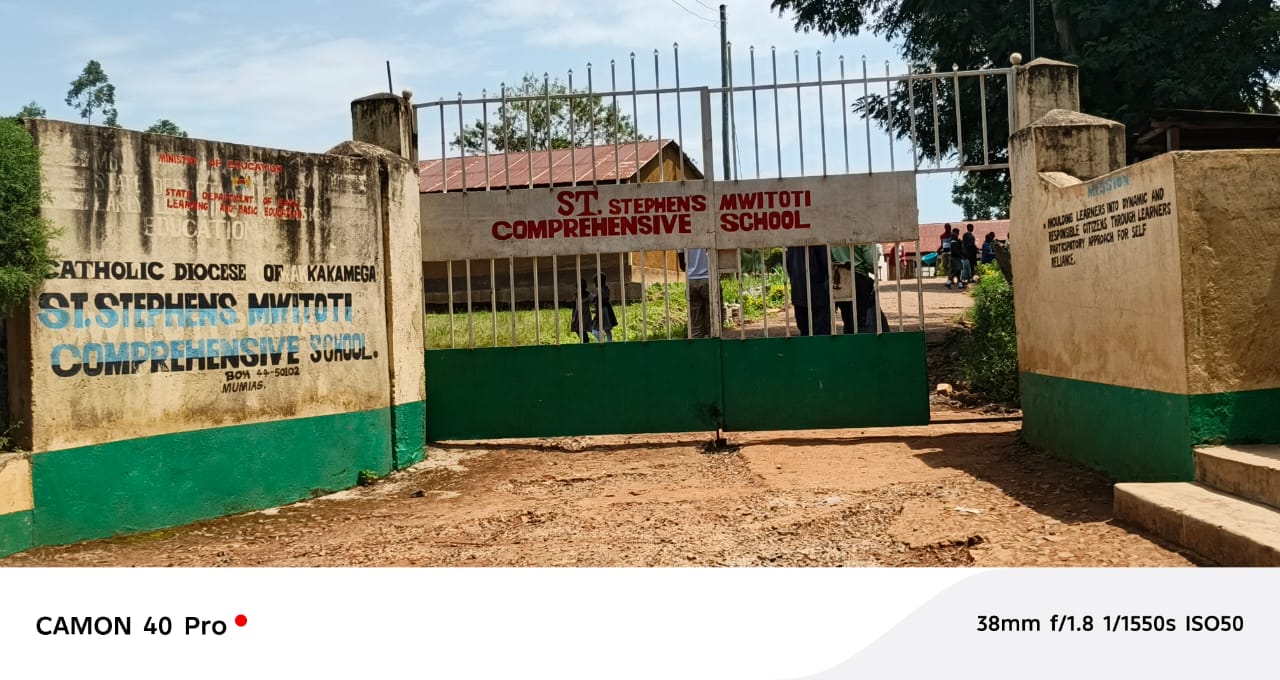
St. Augustine Mwitoti Comprehensive School in Mumias East is one institution that has fully embraced the new curriculum, thanks in part to support from the Ministry of Education.
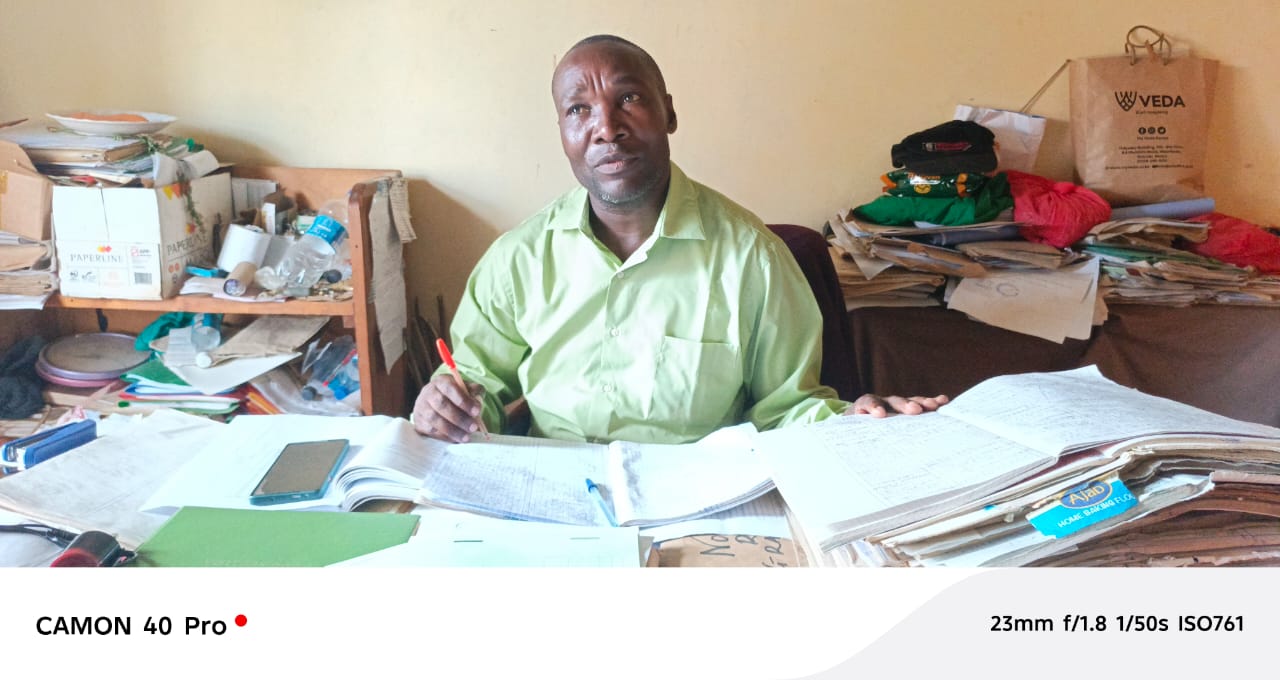
Mr. Peter Busolo, the Head of Institution and Mumias KEPSHA chair, is a strong advocate for CBE. He highlights that the new system is more inclusive than its predecessor.
“Unlike the outgoing 8-4-4, the new curriculum has a place for every child,” he said. “We have learners who are very sharp in academics and others who excel in different disciplines. This is good for the posterity of our nation.”
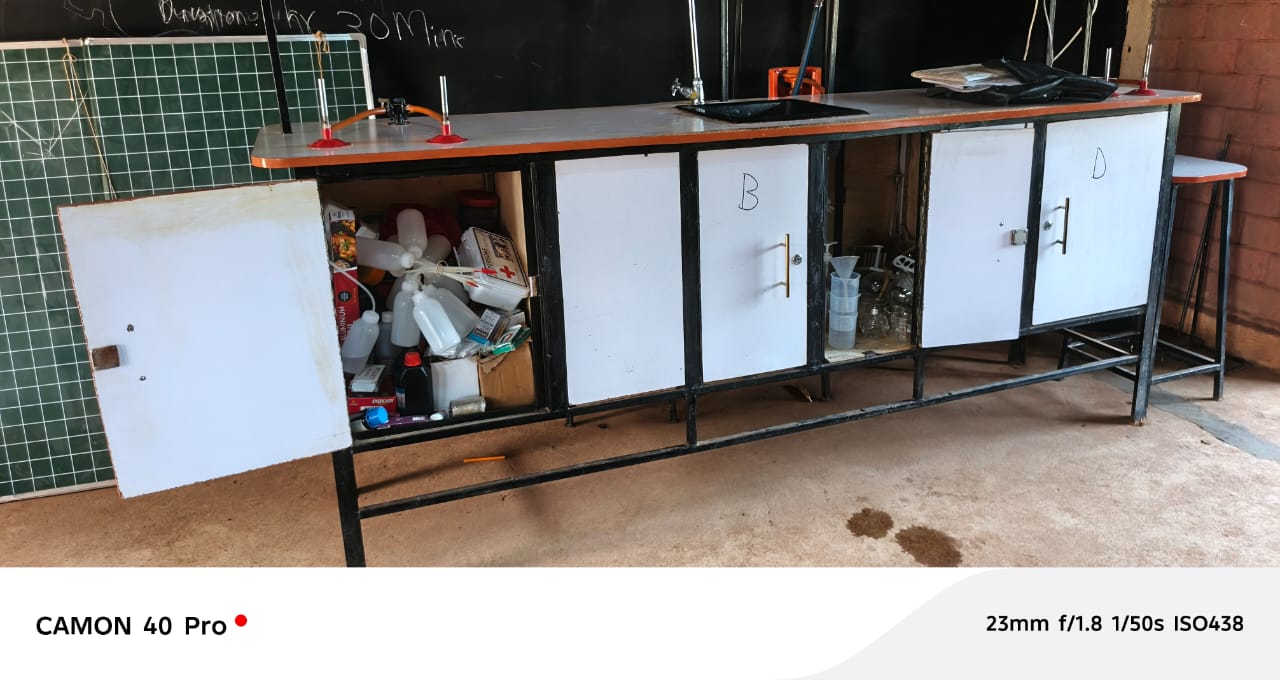
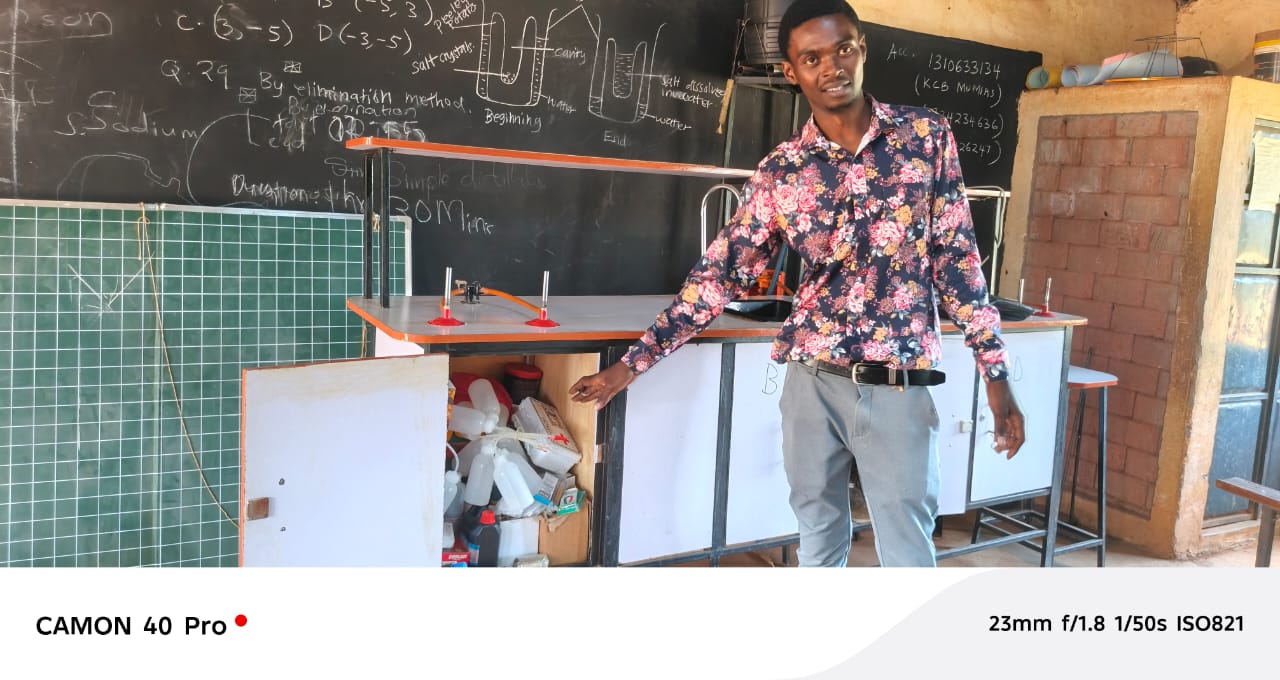
However, the transition has not been without challenges. St. Augustine Mwitoti, like many comprehensive schools across the country, faces issues including staffing shortages—particularly in the sciences—inadequate infrastructure, a lack of laboratories for practicals, and delayed capitation.
“For us here, we chose to invest in a mobile laboratory that has served us well. We are managing, but there are a number of schools in this sub-county who are really struggling,” Mr. Busolo added.
The school currently has a population of 946 primary pupils and 486 junior secondary students, all taught by a total of 35 teachers—a figure the administration acknowledges is below their desired standard.
Looking ahead to next year’s transition to senior school, Mr. Busolo expressed confidence. He reported that the Grade 9 learners have been thoroughly guided and their parents sensitized. “They understand what awaits them in senior school, and most have already made informed subject choices that will work well for their paths,” he stated.
The school has a longstanding reputation for quality. “We are an epitome of quality results since time immemorial,” Mr. Busolo said. “We expect our learners to exceed expectations and secure placement in top-tier national and extra-county schools.”
On matters of discipline, Mr. Busolo acknowledged that teenagers naturally present challenges but emphasized that his team addresses any issues through effective communication and guidance. He also noted a unique national concern where some junior secondary teachers, often graduates of premier schools, may struggle to adjust to different working environments.
“Thankfully, that is not a problem here,” he clarified. “While some teachers might be accustomed to different systems, we have a seamless and collaborative environment. Everyone is committed to the same goal.”
“Otherwise,” he concluded, “we remain committed to giving our best to these learners for a better tomorrow.”