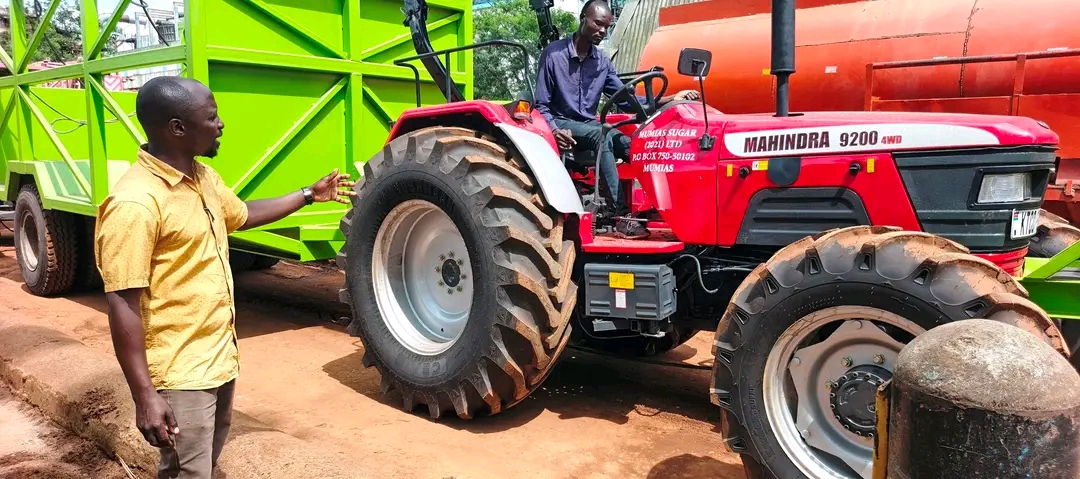
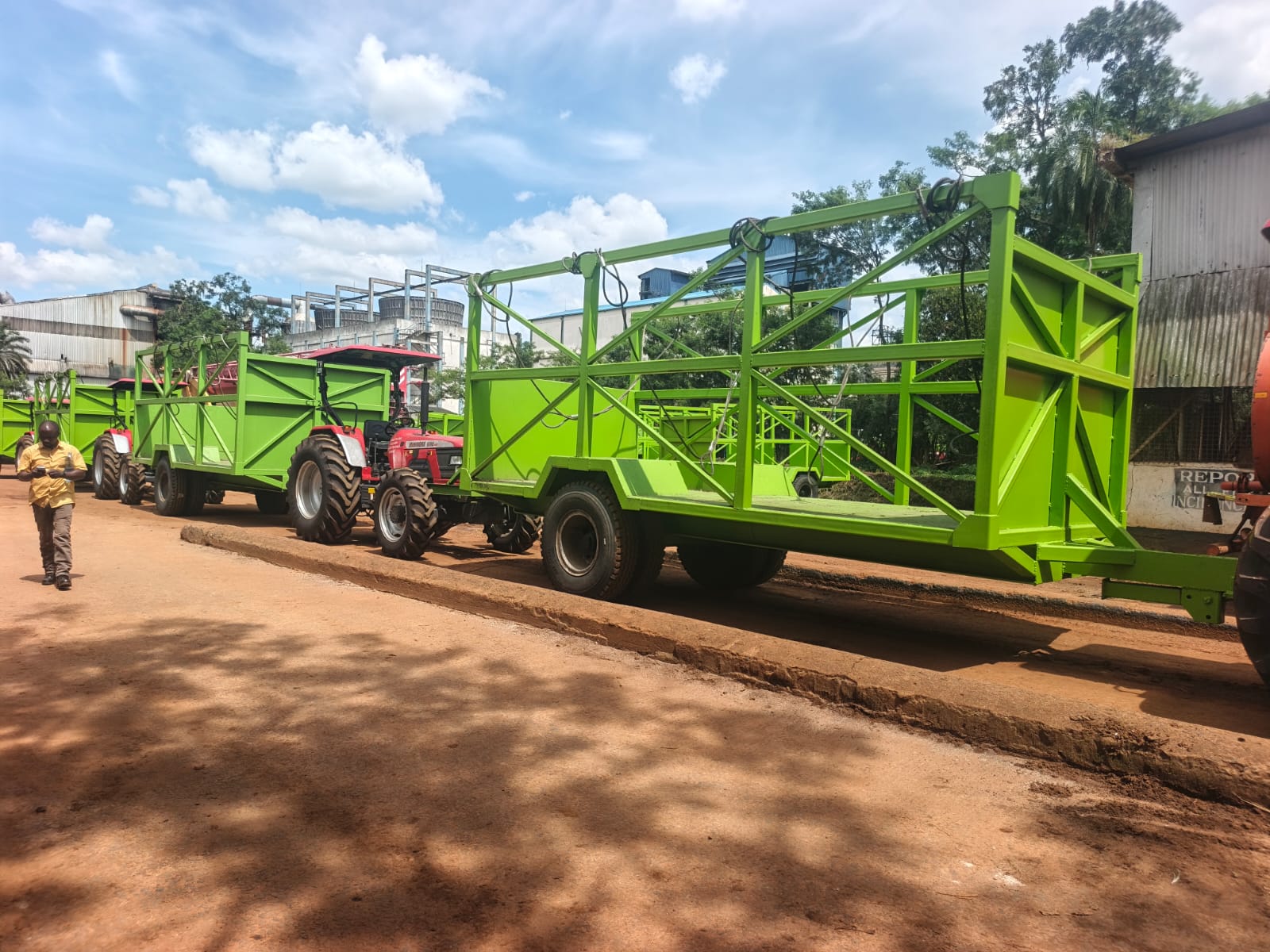
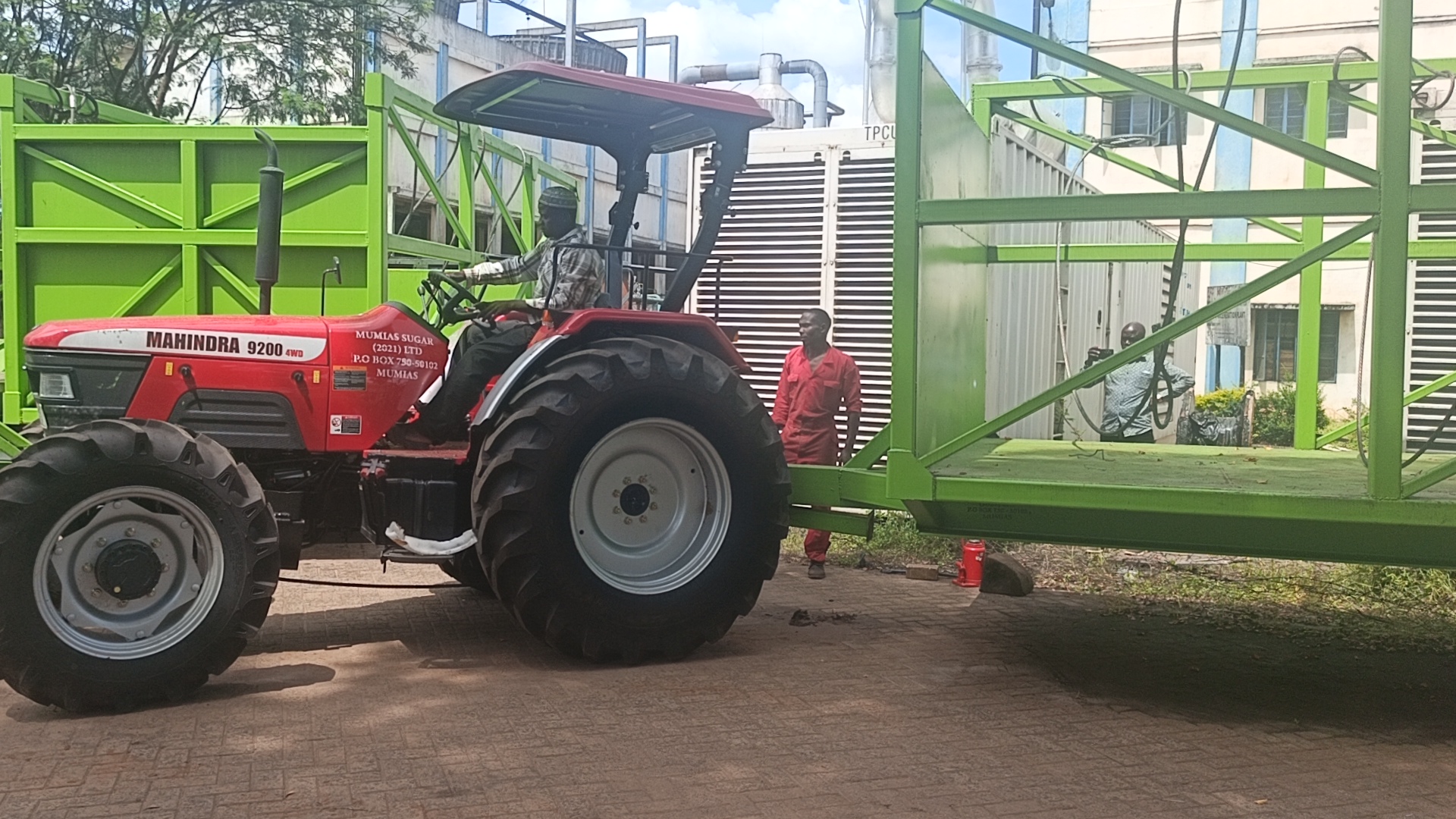
Thousands of sugarcane farmers in Busia County have received a major boost following the commissioning and deployment of 22 brand-new Mahindra tractors by Mumias Sugar Company Limited to strengthen operations at Busia Sugar Industries, which was recently taken over by the Mumias-based miller.

The investment marks a significant step in the ongoing efforts to revive the sugar industry in the lower western region, with the new fleet expected to ease cane transportation, improve harvesting efficiency and ensure farmers deliver their crop to the factory without unnecessary delays.
For farmers who have endured years of uncertainty, unreliable transportation and challenges accessing ready markets for their sugarcane, the arrival of the tractors offers renewed hope of a more efficient and dependable sugarcane value chain.
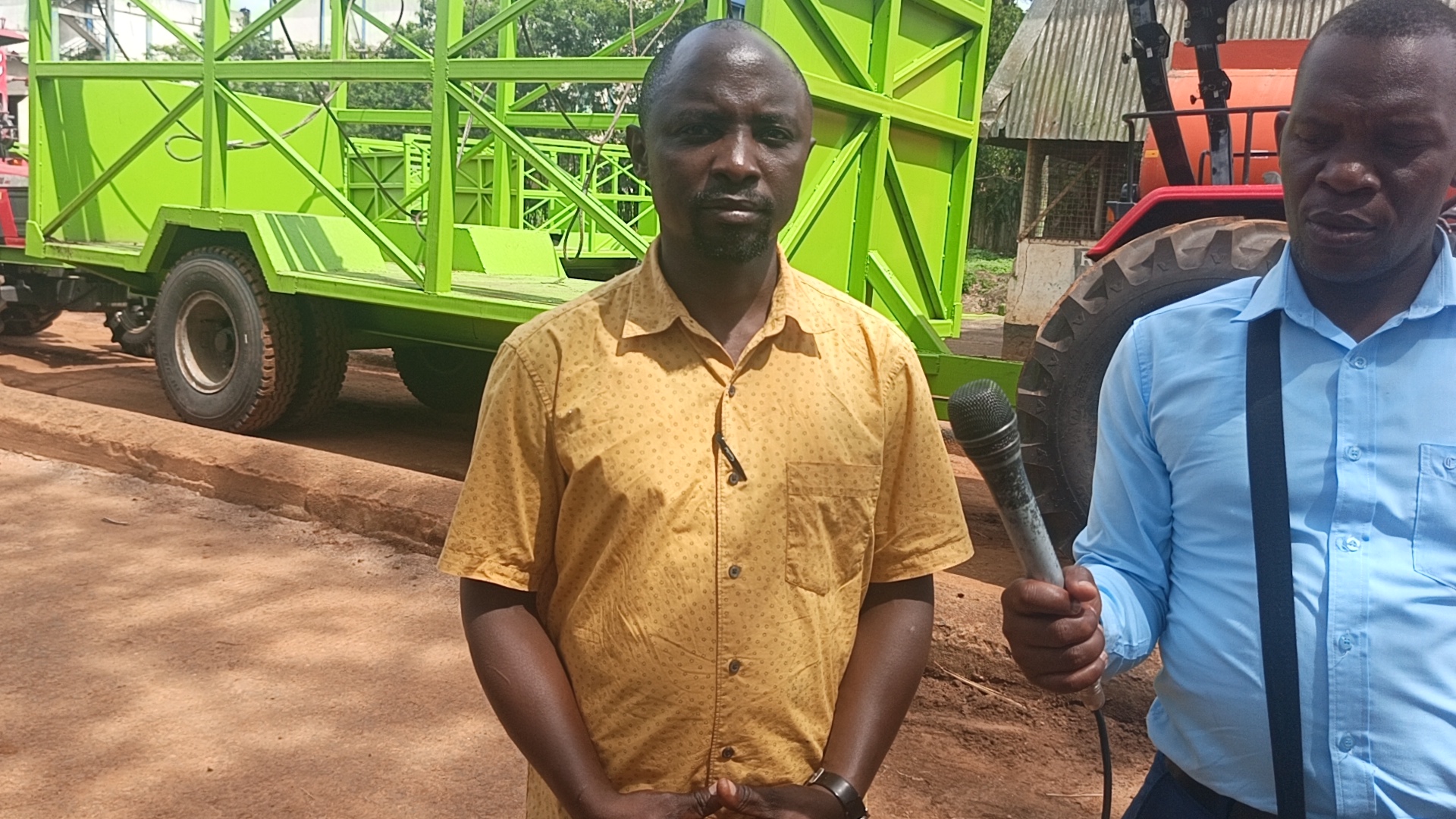
Speaking during the commissioning, Mumias Sugar Company Administration and Operations Manager, Eng. Stephen Kihumba, said the deployment was part of the company’s commitment to restoring confidence in the sugar industry and improving the livelihoods of farmers.
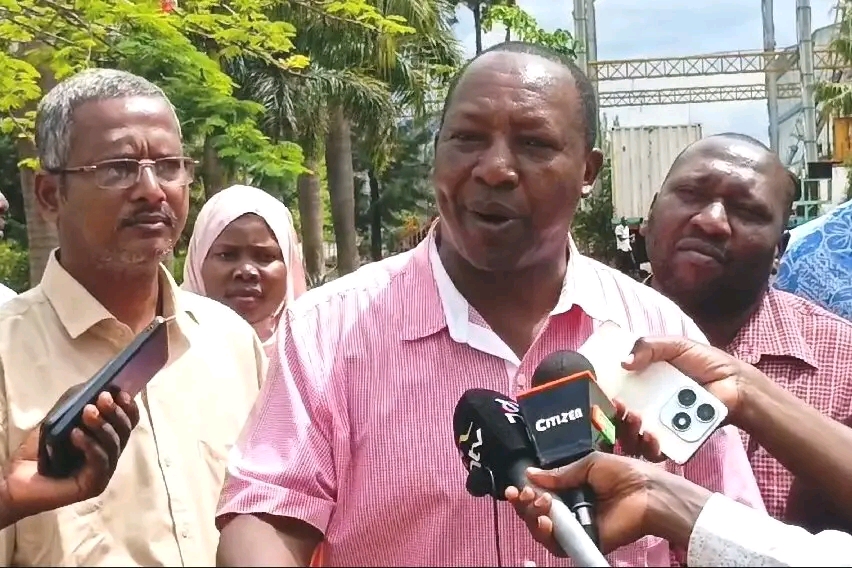
Kihumba said the new management was determined to work closely with growers, providing practical solutions to longstanding challenges while strengthening cane development and factory operations.
He noted that transportation remains one of the biggest challenges affecting sugarcane farmers, particularly in low-lying areas where heavy rains often make roads inaccessible and delay the evacuation of harvested cane.
He said the company was also deploying winches and other appropriate interventions to ensure farmers are not disadvantaged by difficult terrain and weather conditions.
“Our commitment is to make sugarcane farming attractive, productive and economically rewarding. We want to work with farmers throughout the entire production cycle, from land preparation and planting to harvesting and delivery,” Kihumba said.
He added that Mumias was introducing a structured cane development programme aimed at ensuring a consistent supply of quality raw materials to sustain factory operations throughout the year.
The Operations Manager further assured farmers of improved payment arrangements, with the company committing to pay for cane delivered within seven days, a move expected to restore confidence among growers.
On employment, Kihumba confirmed that the majority of Busia Sugar Industries employees had been retained and recalled to resume their duties, urging workers to support the new management as the company embarks on the recovery journey.
Meanwhile, Busia Sugar Industries Agriculture Services Manager, Mr Gerald Songok, said the 22 tractors would significantly improve cane transportation and help address delays that have previously frustrated farmers.
Songok observed that Busia has enormous potential for sugarcane production, but inadequate transportation infrastructure and equipment have continued to limit the region’s ability to fully exploit its agricultural capacity.
He said the new fleet would strengthen the movement of harvested cane from farms to the factory, reduce logistical challenges and improve the efficiency of the entire production chain.
“Busia has tremendous potential in sugarcane production. What farmers need is a reliable system that supports them from the farm to the factory. These tractors will go a long way in bridging the transportation gap and improving cane deliveries,” Songok said.
He expressed optimism that the takeover by Mumias Sugar Company would stimulate economic activity across the county, creating opportunities for farmers, factory workers, transporters, tractor operators and small-scale traders.
Songok projected that the revival of Busia Sugar Industries could increase employment in the local sugar industry by approximately 50 per cent, with the benefits expected to extend beyond the factory into surrounding communities.
“The income in the county is also expected to grow. More people will be employed in the farms and factory, and businesses will thrive,” he said.
Busia currently has approximately 14,000 hectares under sugarcane cultivation against a target of 50,000 hectares, pointing to significant room for expansion.
According to Songok, the region has so far utilised only a fraction of its potential land for cane development, but the entry of Mumias management is expected to accelerate investment, introduce improved agronomic practices and encourage more farmers to embrace commercial sugarcane production.
The county is already a critical partner in Mumias Sugar Company’s operations, accounting for approximately 60 per cent of the sugarcane supplied to the miller.
The deployment of the 22 tractors therefore represents more than an investment in machinery. It is part of a broader strategy to strengthen the relationship between the miller, farmers and the communities that depend on the sugar industry.
Mumias Sugar Company has maintained that Busia Sugar Industries and Mumias Sugar will continue operating independently, a move expected to enhance competition, expand employment opportunities and provide farmers with stronger market options.
For Busia’s sugarcane-growing communities, the arrival of the new tractors is an encouraging development after years of uncertainty.
With improved transportation, structured cane development, farmer support and faster payment commitments, the new management is seeking to rebuild an industry that has for generations supported thousands of households.
Ultimately, the success of the takeover will be measured not just by the number of tractors deployed or the volume of cane crushed, but by the livelihoods restored, families supported, children kept in school and businesses revived.
For Busia’s farmers, the message is clear: the journey towards restoring the region’s sugar economy has gathered momentum, and the 22 new tractors are among the first visible signs of that renewed commitment.