More than seven decades ago, a spiritual awakening among African believers set in motion a journey that would grow into one of the region’s distinctive Christian movements.
From its humble beginnings in Gamalenga, Vihiga County, the African Divine Church (ADC) has grown beyond its original home, spreading its message of faith across Kenya, Uganda and Tanzania while preserving the traditions that have defined its identity for generations.
Today, the church is headquartered in Boyani, Vihiga County, where its history remains closely tied to the vision of its founder, Archbishop Saul Chabuga.
At a time when African believers were seeking a stronger voice in their religious affairs, Chabuga led the formation of a Christian movement that sought to bring biblical teachings closer to African cultural identity.
The church eventually separated from the Pentecostal Assemblies of Canada (PAOC), associated with the Nyang’ori Mission, as its leaders pursued a distinct African Christian tradition.
What followed was more than the establishment of another church. It was the beginning of a legacy that would be carried forward by successive generations of leaders.
Archbishop Saul Chabuga led the church through its formative years until 1970, when leadership passed to his son, James Lilege Chabuga.
Taking over from his father, James inherited the responsibility of nurturing a growing religious movement and keeping its founding vision alive.
He led the church for 35 years, remaining at its helm until his death in 2005.
His passing marked the end of an important chapter in the church’s history, but the journey did not stop there.
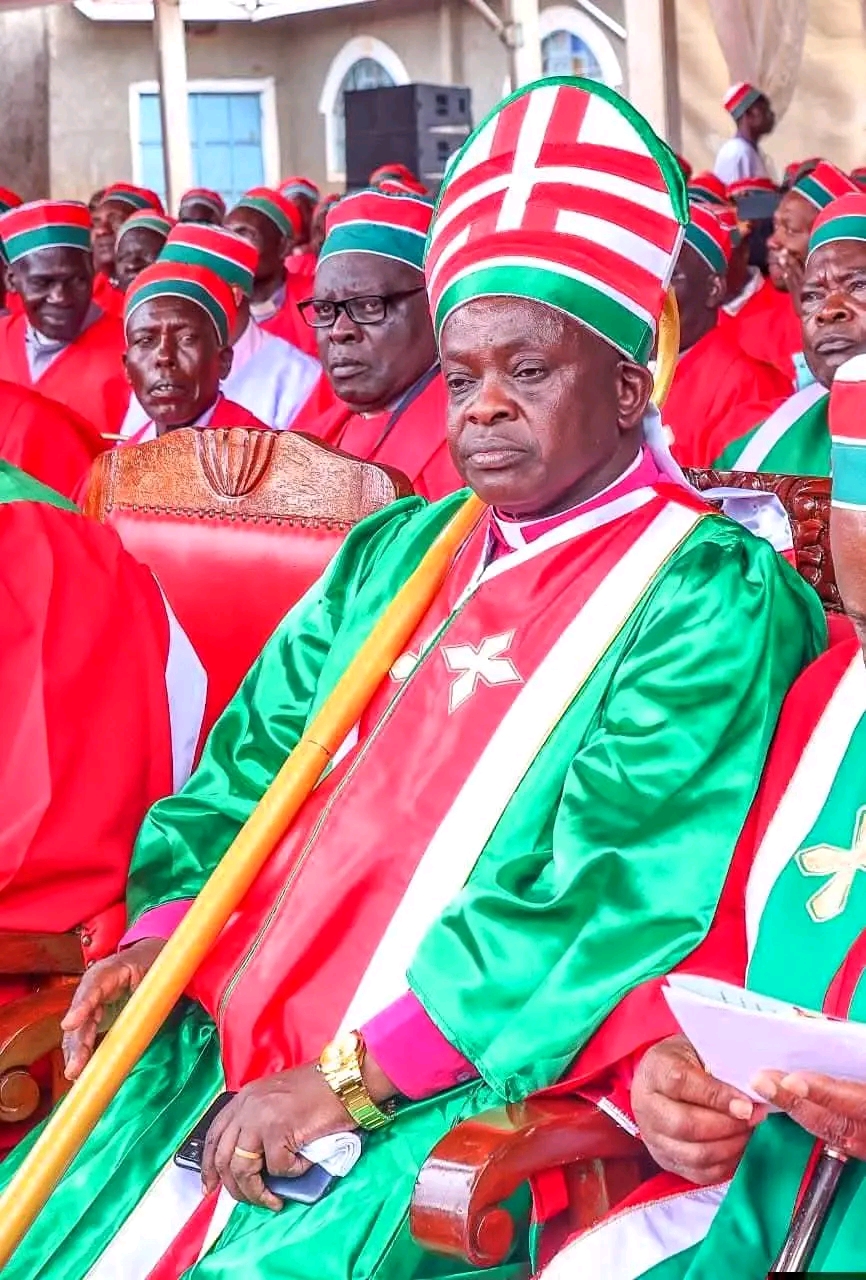
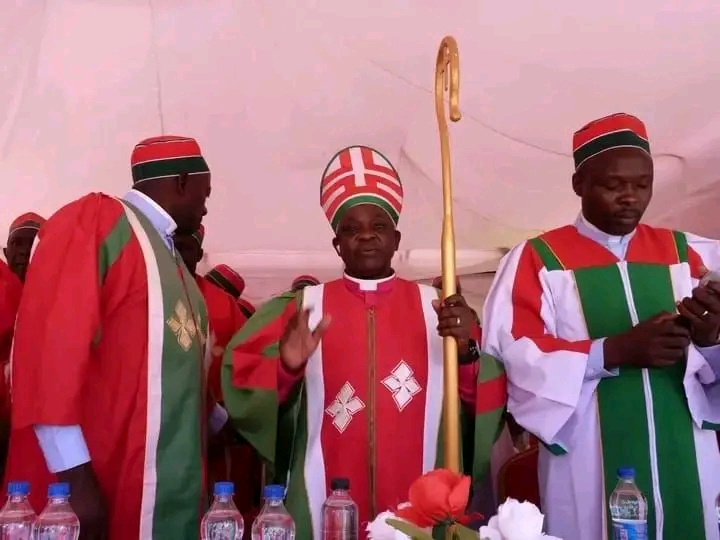
Leadership passed to his son, Archbishop John Lilege Saiya Chabuga, pictured, who became the third leader of the ADC.
With his appointment came the responsibility of carrying forward the work begun by his grandfather and sustained by his father.
Under his leadership, the church has pursued efforts to strengthen its administration, develop its institutions and extend its presence to more communities.
The succession of three generations of leaders has become a defining feature of the ADC’s story, connecting its founding years to its present-day ambitions.
A faith expressed through African traditions
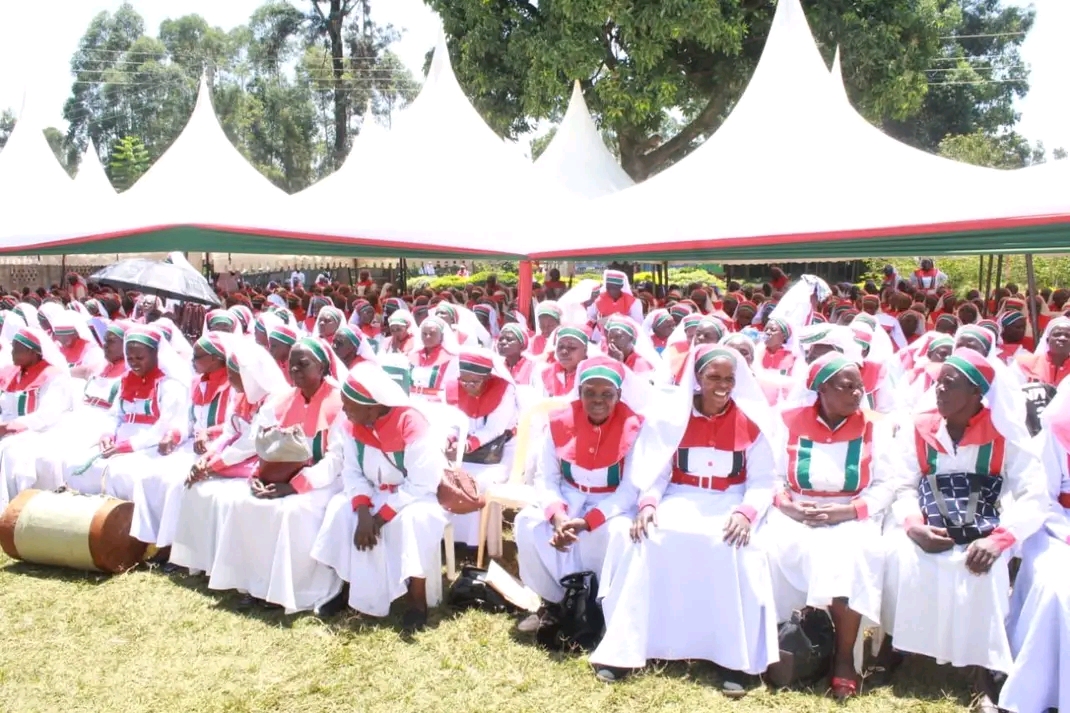
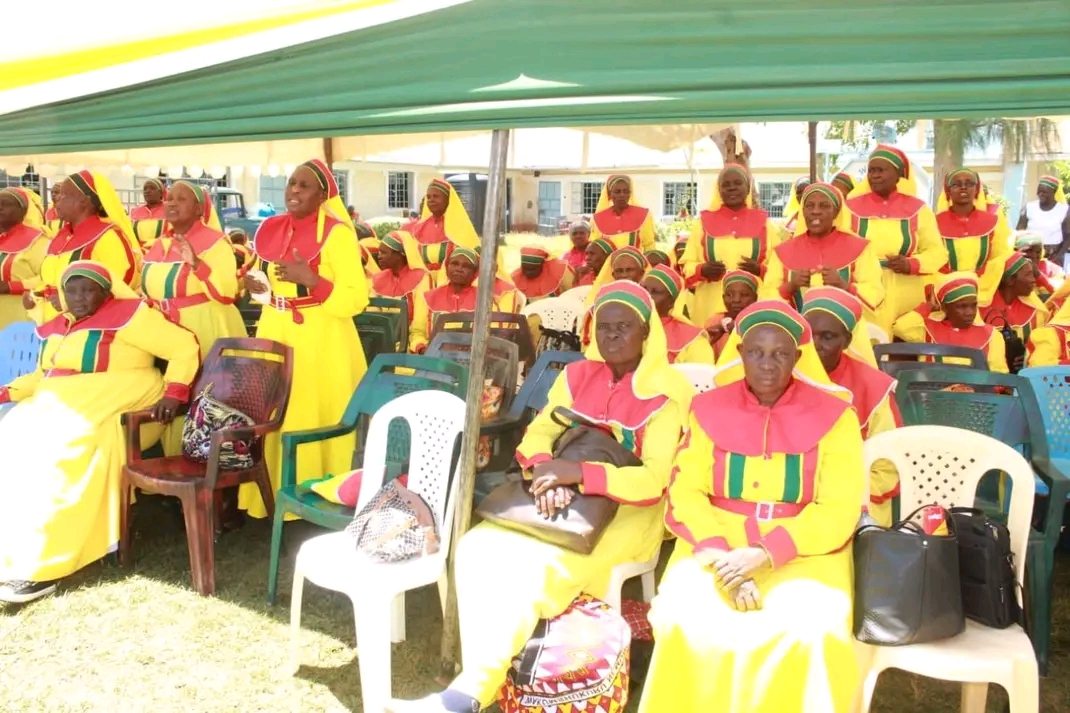
Walk into an ADC worship service, and one encounters a distinctive blend of Christian devotion and African cultural expression.
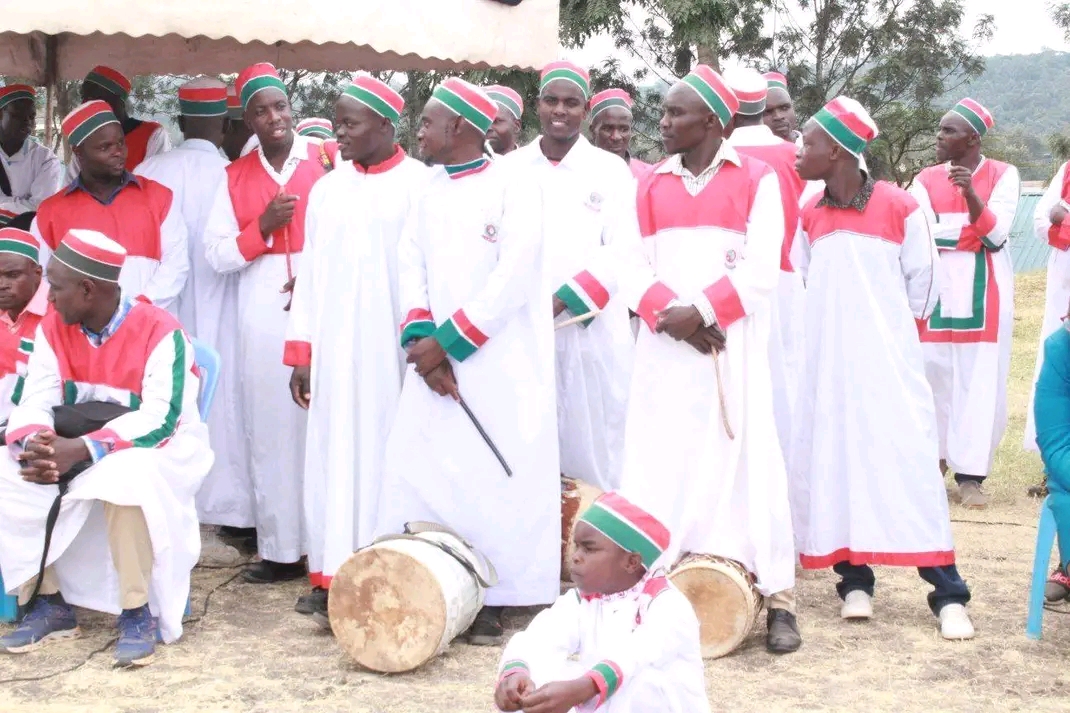
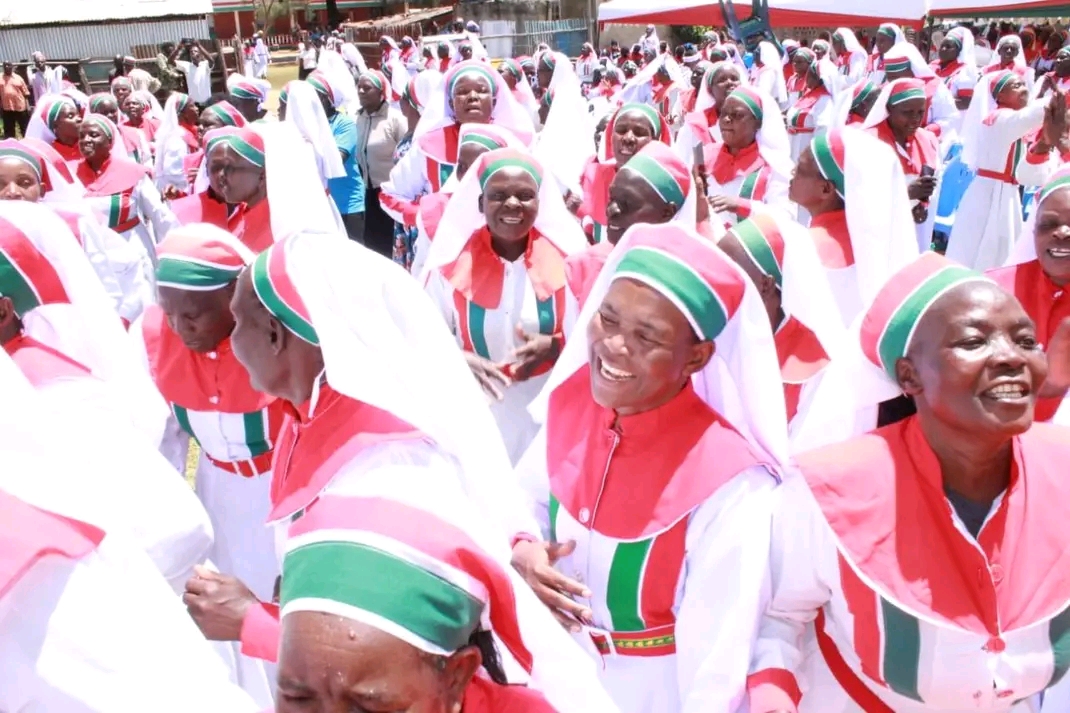
The sound of drums, vibrant singing, healing prayers and prophecy forms part of the church’s worship tradition, giving its services a character that reflects its historical roots.
Its clergy and members are also recognised by their distinctive white robes decorated with red lace and crosses.
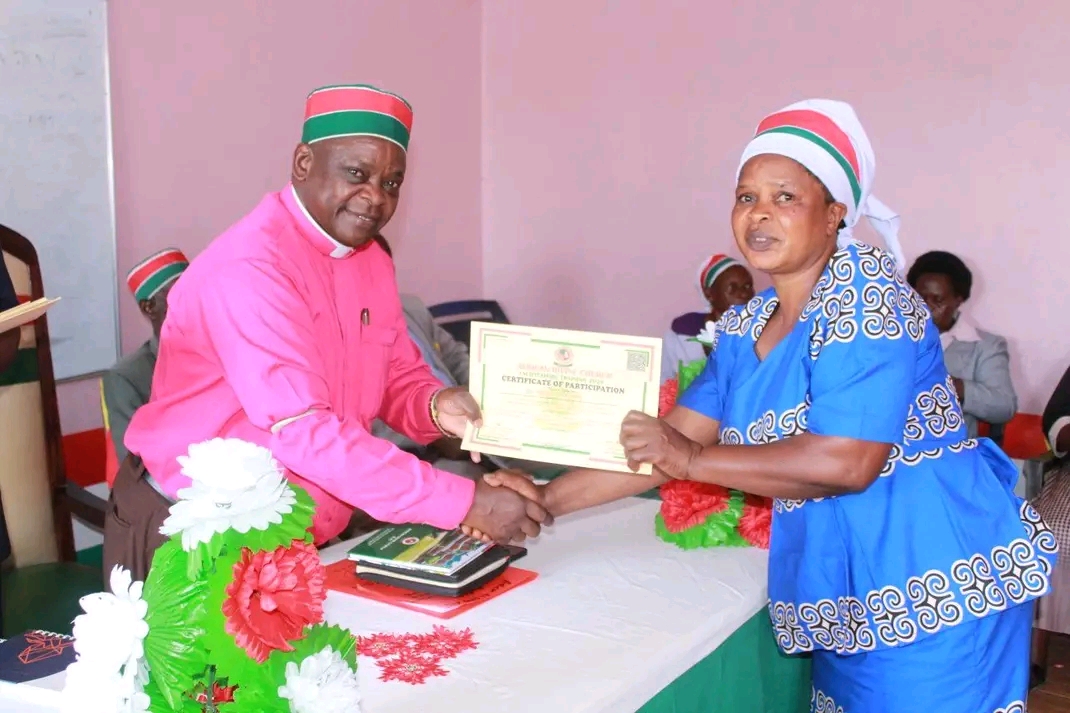
For the church, these traditions are part of an identity shaped by the belief that Christianity can be firmly rooted in biblical teachings while finding expression through African culture.
Over the years, this blend of faith and cultural heritage has helped define the ADC and distinguish it within the wider Christian landscape.
Its story is also a reminder of the role African-led churches have played in giving local communities a sense of spiritual ownership and belonging.
A church reaching beyond its birthplace
Although its roots are firmly planted in Vihiga County, the ADC has gradually extended its reach beyond western Kenya.
Today, the church has congregations and institutions in Kenya, Uganda and Tanzania, taking its message to communities beyond the area where its journey began.
Its work also reaches beyond the pulpit.
Through primary schools, health facilities and theological training centres, the church has developed a broader role in community life.
Its schools contribute to the education of children, its health facilities serve communities in need of medical care, while its theological training centres prepare people for religious service and leadership.
These activities reflect a church seeking to combine its spiritual mission with practical engagement in the lives of the people it serves.
For many religious institutions, growth is measured by the number of congregations established. The ADC’s development also points to the importance of the institutions built around its faith and the communities they serve.
Keeping the vision alive
As Archbishop John Lilege Saiya Chabuga continues to lead the church, the task before the ADC is to preserve the traditions that shaped its beginnings while strengthening its ability to serve future generations.
The journey from Gamalenga to a wider East African presence has taken the church through successive periods of leadership, change and growth.
Each generation has inherited the responsibility of keeping the original vision alive while responding to the needs of its time.
From the pioneering work of Saul Chabuga to the leadership of James Llege Chabuga and the current stewardship of Archbishop John, the ADC’s history is a story of faith passed from one generation to the next.
Its distinctive worship, African identity and community institutions remain central to that journey.
More than seven decades after its emergence, the African Divine Church continues to build on the foundations laid by its founder, carrying forward a legacy that began in Vihiga and has since reached communities across East Africa.