For more than 80 years, the call to prayer has risen from the heart of Mumias, drawing generations of Muslim families to a place they have come to regard as much more than a mosque.
It is a place where fathers brought their children to learn the Qur’an, where mothers and families gathered in prayer, where scholars passed knowledge from one generation to another and where the faithful found comfort during some of life’s happiest and most difficult moments.
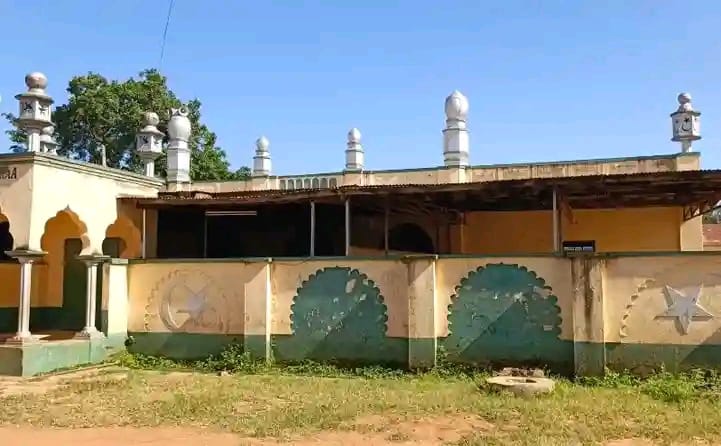
For many Muslims in Mumias, the old Jamia Mosque is part of their family story.
But time has taken its toll.
And as the Muslim population continues to grow, the historic mosque is finding it increasingly difficult to accommodate the very community it has served for generations.
Now, more than eight decades after its inauguration, Muslims in Mumias are embarking on an ambitious mission — to raise Sh156 million and build a modern two-storey Islamic centre that they hope will serve the community for generations to come.
The proposed facility is not simply about putting up a bigger building.
For the community, it is about giving their faith a home that matches the history and growing aspirations of Muslims in Mumias.
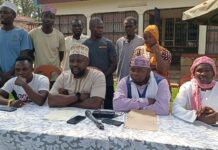
“The current mosque was built in the 1940s and has been renovated so many times to look what it is. The number of Muslims is growing yet the mosque space remains the same,” said Rashid Mwanza, chairman of the Modern Mosque Construction Committee.
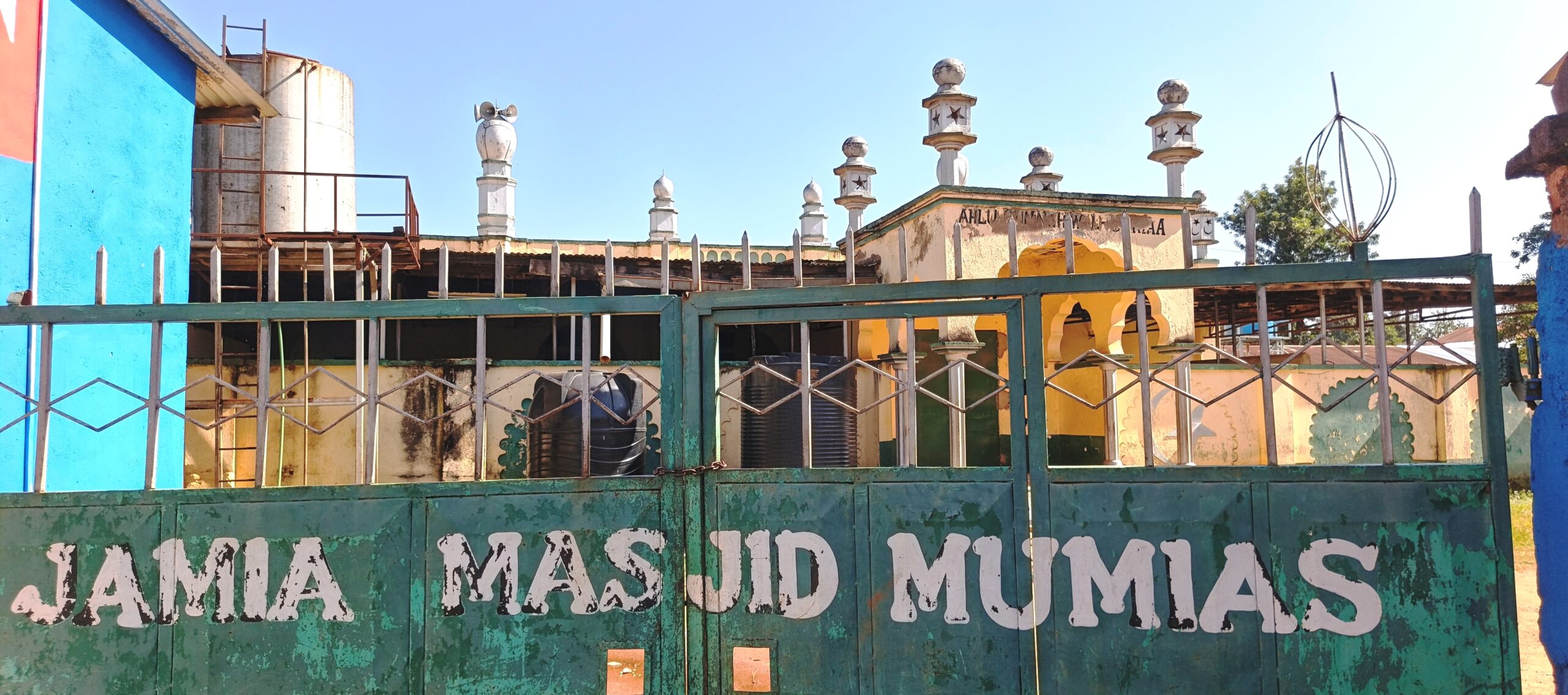
The present Jamia Mosque was completed and inaugurated in 1947, with the opening reportedly associated with a visit to Mumias by the Sultan of Zanzibar that year.
Much has changed in Mumias since then.
The town has grown. Families have grown. The Muslim community has grown.
But the space inside the old mosque has remained largely the same.
The result is a facility that increasingly struggles to accommodate worshippers, particularly during major prayers and religious occasions.
For the committee, the answer is a new facility designed not only for today’s worshippers but also for those who will come decades from now.
A mosque built for generations
Imam Abdallah Musa, the Jamia Mosque imam, believes the proposed centre should reflect the important place Islam has occupied in the history of Mumias.
“The proposed two-storey building, with a floor for men, another floor for women and another one with offices, a hall and other amenities, is envisioned as a long-term investment in the spiritual and social life of Mumias — a place where today’s Muslims can worship while laying a foundation for generations yet unborn,” he said.
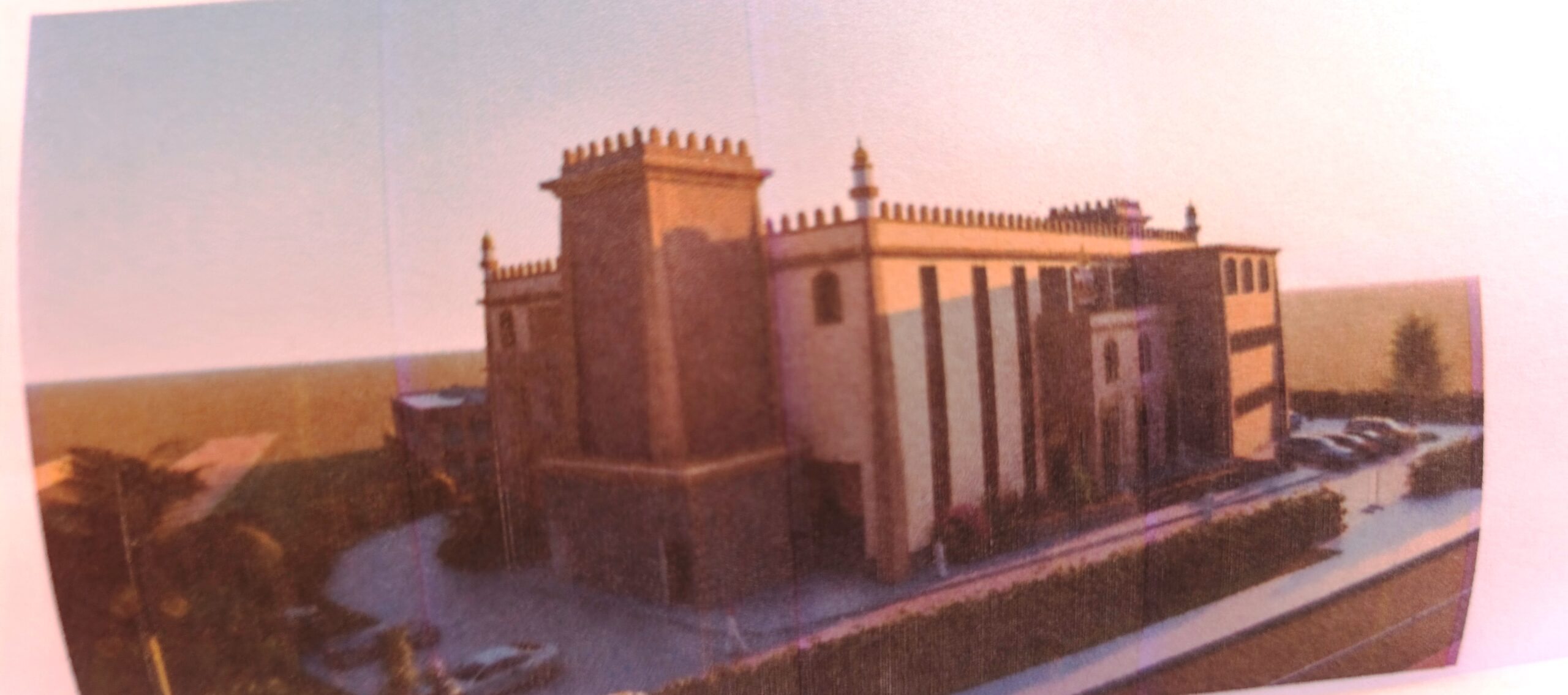
The proposed facility will also provide space for Islamic education, community meetings and other activities.
In many ways, the project is an attempt to ensure that the role played by the old mosque does not end with the building itself.
Instead, its legacy will continue in a new generation of worshippers, students and community members.
A town where Islam has deep roots
The story of Islam in Mumias goes back well beyond the construction of the present mosque.
The faith arrived in the area through Muslim traders and caravan networks travelling inland from the East African coast, including Zanzibar, Tanzania and coastal Kenya.
At the time, Mumias was the political centre of the Wanga Kingdom under Nabongo Mumia.
Muslim traders established commercial and personal relationships with the royal court, while trade created opportunities for interaction between the coastal Muslim community and local people.
Historical accounts also associate Nabongo Mumia with Islam.
His reported conversion was significant because of his influence as the Wanga ruler. Members of the royal family, chiefs and subjects were consequently exposed to Islamic teachings, helping the faith gain a stronger foothold in the region.
Over the years, Islam became part of the social fabric of Mumias.
Mosques were established. Qur’anic and Madrasa education took root. Muslim scholars and teachers began spreading knowledge beyond the town.
Historical accounts indicate that teachers from Mumias travelled to places including Kisumu, Bungoma and Nairobi, as well as parts of Uganda, helping establish the town as an important centre of Islamic learning in inland East Africa.
That history is now part of the motivation behind the new mosque project.
A community-wide dream
The Sh156 million target is, by any measure, a huge undertaking.
The construction committee knows that it cannot be achieved by a few individuals.
It is appealing to Muslims in Mumias and across Kenya, those living abroad, businesses, organisations, philanthropists and friends of the Muslim community to contribute towards the project.
Mwanza said every contribution will count.
“Any contribution, whether large or small, will bring the community a step closer to raising the walls of the proposed mosque,” he said.
The committee is also reaching out to non-Muslim friends and well-wishers, viewing the project as an opportunity to promote community development and interfaith solidarity.
For the Muslims of Mumias, therefore, the campaign is not merely about replacing an ageing building.
It is about honouring those who came before them.
It is about giving today’s worshippers a more spacious and dignified place to pray.
And perhaps most importantly, it is about ensuring that a tradition that has survived for more than eight decades has a home for the generations still to come.
The old mosque has witnessed Mumias grow from a historic Wanga centre into the modern town it is today.
Now, its congregation wants to write the next chapter — one brick, one prayer and one contribution at a time.