For kidney patient in Butere, Mumias, Matungu or Khwisero, dialysis was never just about the treatment.It was also about the journey.
Three times every week, patients had to find their way to Kakamega General Hospital, some travelling 50 to 80 kilometres for a treatment they could not afford to miss. For families already struggling with the cost of medication and daily life, spending between Sh2,000 and Sh3,000 on transport could be as painful as the illness itself.
Then came June 2026.
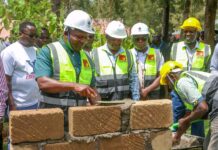
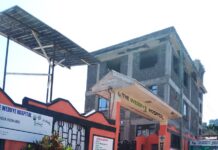
A new renal unit opened its doors at Butere County Hospital, bringing the life-saving service much closer to the people.
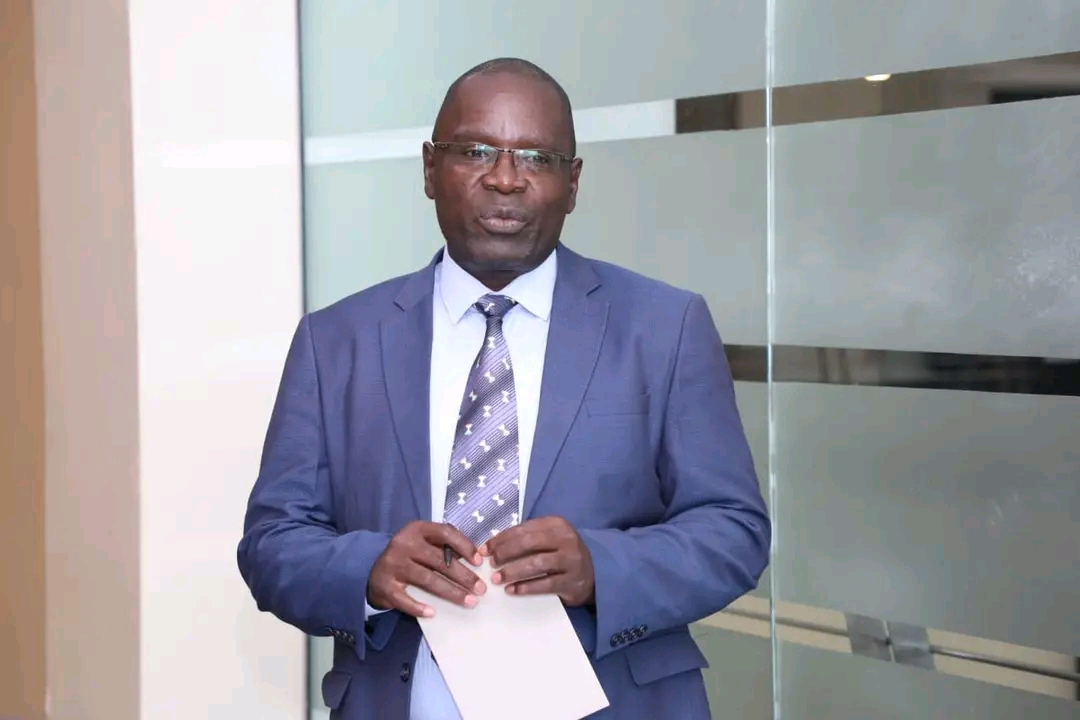
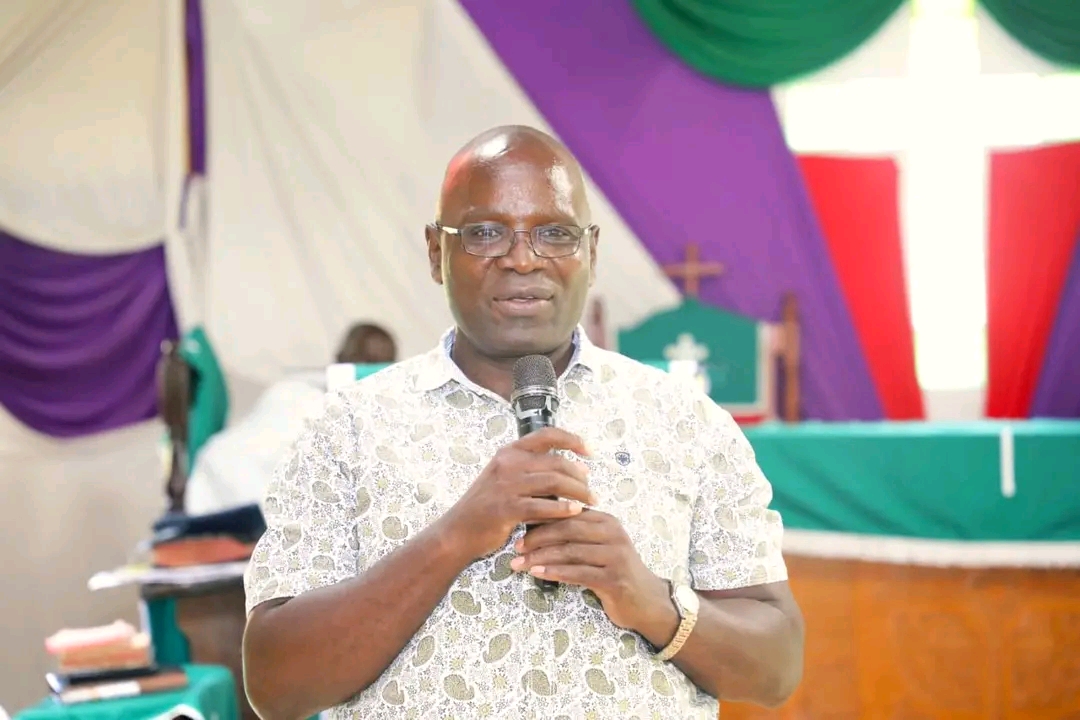
Behind the project is Dr David Alila, Kakamega County Chief Officer for Medical Services, a man whose name has increasingly become associated with efforts to make specialised healthcare more accessible to ordinary residents.
For him, the six-station renal unit is not simply another piece of infrastructure.
It is about a mother who no longer has to wake up before dawn to travel to Kakamega for dialysis.
It is about a father who can spend less money on transport and more on his family’s needs.
And it is about giving kidney patients something many had almost given up hoping for—quality treatment closer to home.
Before the Butere facility, Kakamega General Hospital was the county’s only public dialysis centre. This meant patients from the lower part of the county had little choice but to make the long trips whenever their treatment was due.
The new unit has changed that equation.
Equipped with six modern dialysis stations, the facility also has room for expansion as demand grows. A modern water treatment plant was installed to ensure that the water used in dialysis meets the required safety standards.
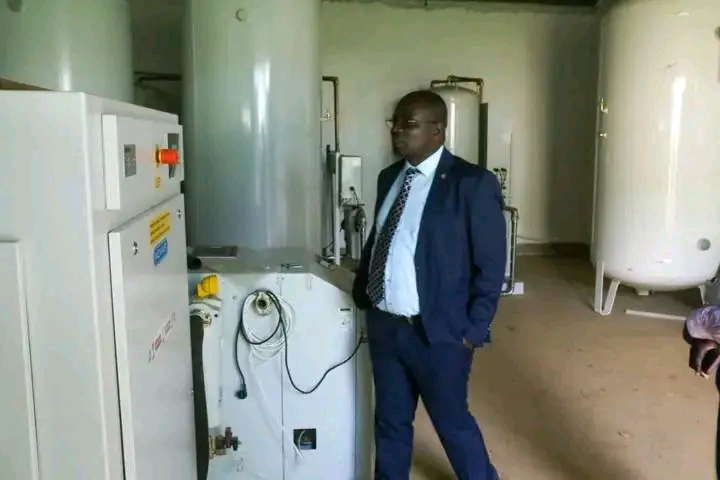
Dr Alila explained that the water treatment system has the capacity to support the six dialysis stations, helping guarantee safe and efficient operations.
The project was funded through the Facility Improvement Fund (FIF), with revenue generated by the health facility being channelled back into improving services.
It is a practical example of what Dr Alila believes healthcare should be about: taking resources generated within the health system and turning them into services that people can actually feel in their daily lives.
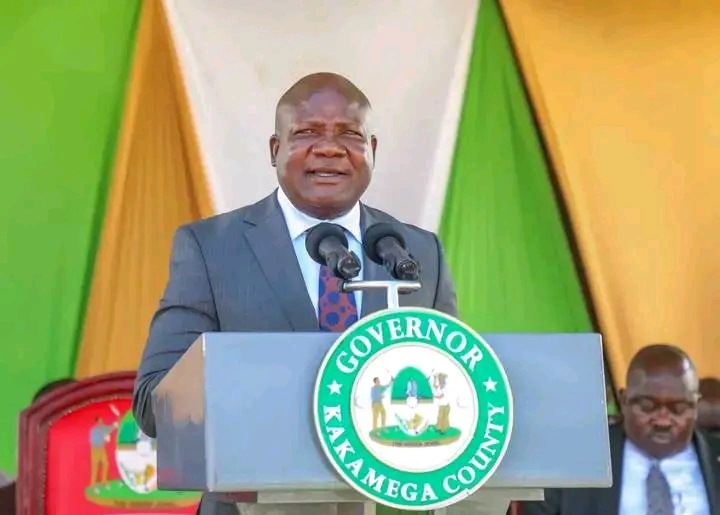
At the launch, Governor Fernandez Barasa said the investment was part of his administration’s efforts to strengthen healthcare infrastructure and ensure that specialised medical services are accessible to residents across the county.
And Dr Alila has emerged as one of the key players helping translate that vision into reality.
More than buildings
The Chief Officer’s healthcare agenda goes beyond putting up new facilities.
During the 2024/25 financial year, he championed the digitisation of health facilities through the Taifa Care Health Management Information System (HMIS).
His argument was straightforward: better technology can help close loopholes in financial management, improve disease surveillance and ensure that patient records are properly captured and accounted for.
In other words, he sees healthcare not only through the eyes of the doctor treating a patient, but also through the systems that determine whether that patient receives the right service at the right time.
That approach is not entirely new to him.
Before joining the county government, Dr Alila served as chairman of Wevarsity Sacco, the MMUST staff cooperative.
At one point, instead of sitting in the boardroom and making decisions on behalf of members, he called a special meeting with top savers to listen to their ideas on how the Sacco could turn around its fortunes.
Members appreciated the consultative approach.
It was a glimpse of a leadership style built around listening, engaging and bringing people into the conversation.
Barasa ally
Today, Dr Alila is one of the officials working closely with Governor Barasa in advancing the county’s healthcare agenda.
He is also regarded as a close ally of the Governor.
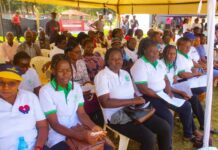
But beyond politics and official titles, his strongest selling point may be found in the faces of patients who can now receive dialysis closer to where they live.
The Butere renal unit has effectively given lower Kakamega a new healthcare lifeline and positioned the facility as an emerging referral centre for specialised care in the region.
For Dr Alila, it is perhaps his most visible achievement since taking charge as Chief Officer for Medical Services.
For the families who once spent hours and thousands of shillings travelling for dialysis, it means something much more personal.
It means home is no longer so far away from the treatment they need to stay alive.