
The future of Moi Girls’ High School Vokoli is suddenly at the centre of a storm — and Chief Principal Hellen Mabese Luhangala is right in the middle of it.

The respected educationist has found herself steering the Vihiga’s leading girls’ school through a delicate debate over a proposal that could see some of its infrastructure transferred to Kaimosi Friends University ( KAFU).
But instead of allowing the issue to remain a quiet boardroom affair, Mabese chose a different path — she called the community to the table.
In a notice dated March 6, 2026, the Chief Principal invited parents, alumni, community members, education officials and other stakeholders to a consultative forum at the school on March 27.
The agenda was simple but weighty: hear the people, listen to their concerns and gather their views on the proposed transfer.
For a school that has shaped the lives of generations of girls, the stakes are high.
To some parents and former students, the proposed transfer raises fears about the loss of school space and infrastructure. To supporters of Kaimosi Friends University, the move could provide the institution with much-needed room for expansion.
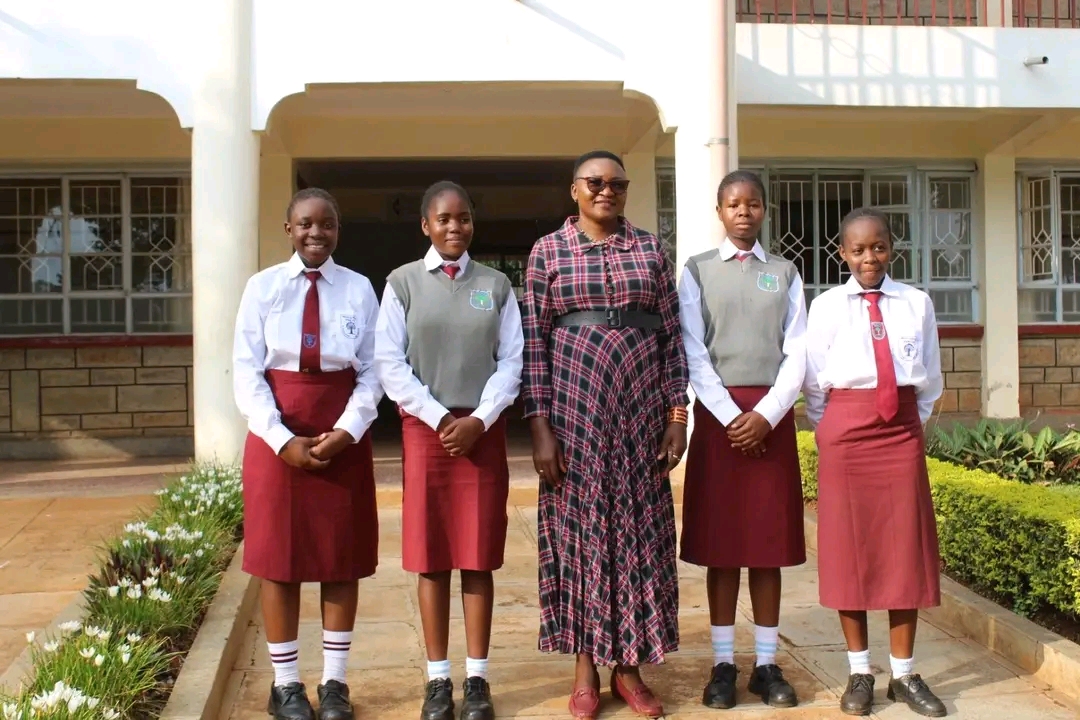
Caught between these competing interests is Mabese — a principal whose leadership career has been defined by taking unconventional approaches to seemingly difficult problems.
From discarded tyres to a bigger leadership test
Mabese is no stranger to innovation.
Before taking the helm at Vokoli, she served as Principal of Moi Kapsowar Girls, where her creative approach to school management attracted national attention.
In 2021, she was recognised by then Education Cabinet Secretary George Magoha as Kenya’s Most Innovative Principal after turning old tyres and plastic bottles into attractive school gardens and signposts.
That ingenuity is now facing a much bigger test.
This time, the challenge is not transforming waste into something useful. It is navigating a sensitive debate involving education, land, institutional interests and community expectations.
And Mabese appears determined to ensure that the voices of those directly affected are heard.
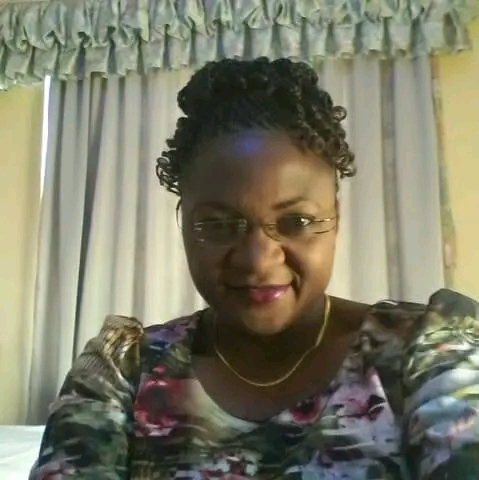
A school with memories at stake
For many former students, Vokoli is more than buildings sitting on a piece of land.
It is where friendships were formed, dreams were nurtured and young girls were prepared for the world beyond the school gates.
That is why the proposed transfer has generated strong emotions.
The question being asked in the community is not simply what happens to the infrastructure.
It is what happens to Vokoli itself?
As the debate continues, Mabese’s leadership is being watched closely.
The woman who built a reputation for finding creative solutions is now confronting one of the most delicate moments of her leadership career.
Whatever direction the matter eventually takes, one thing is already clear:
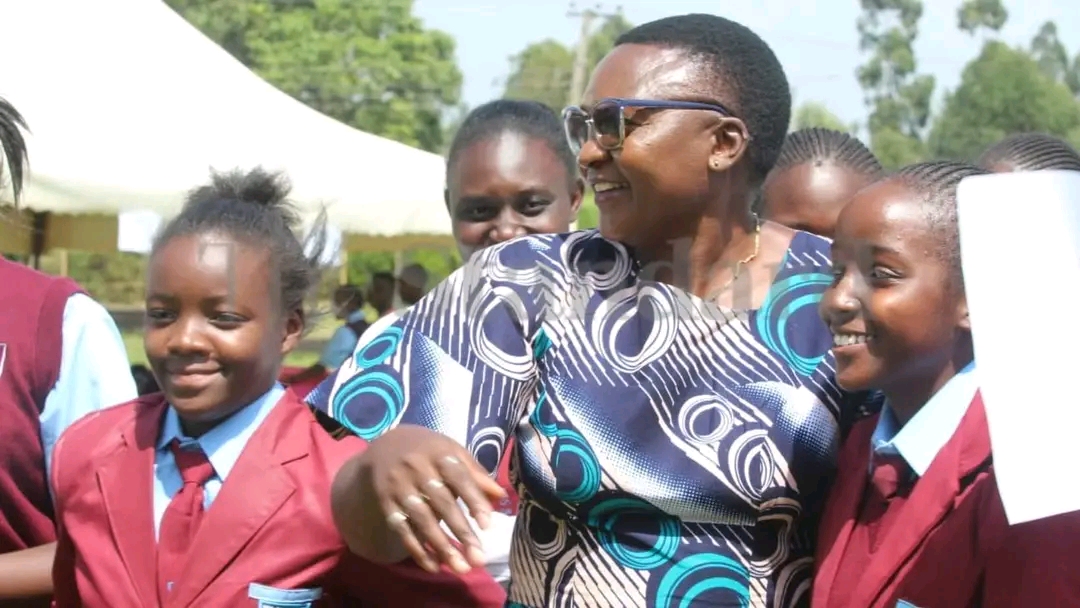
At Moi Girls’ Vokoli, Hellen Mabese has opened the door to a conversation that could shape the school’s next chapter.