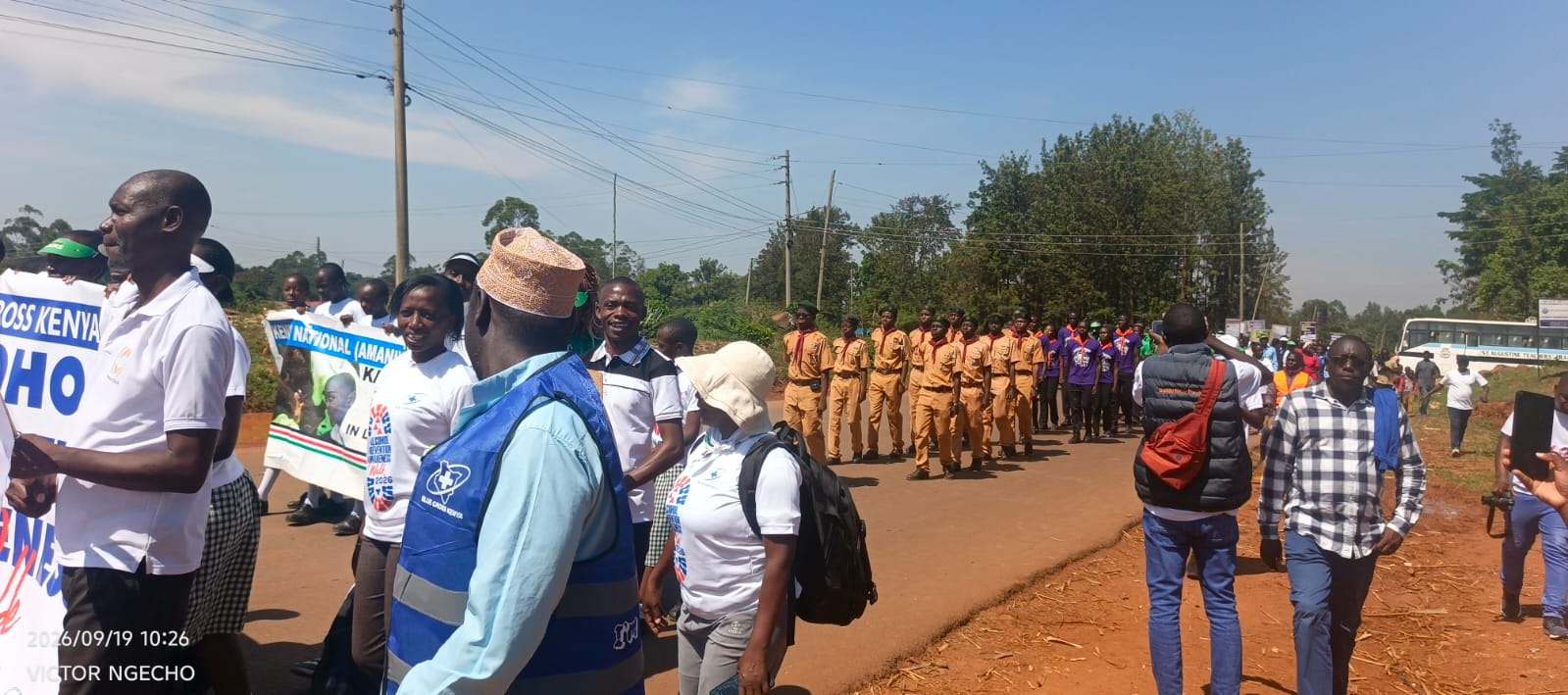
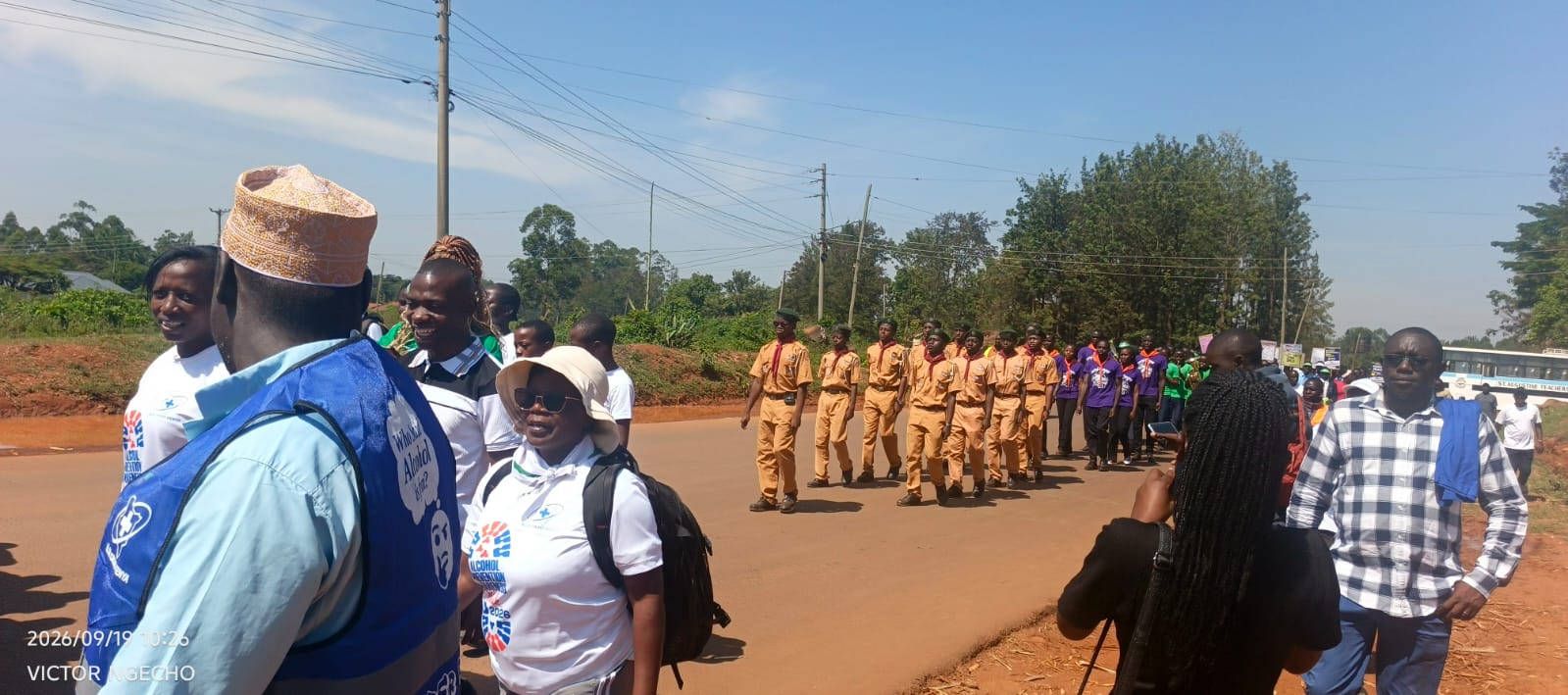
The streets of Mumias came alive on Saturday as residents, students, youth groups, civil society organisations and government agencies joined hands in a united call to save young people from the growing problem of alcohol and substance abuse.
The colourful awareness walk brought together the Kenya Economic Youth Network (KEYNET), Blue Cross Kenya, NACADA, Amani Clubs Kenya, WOPA and other partners who are determined to take the fight against alcohol and drugs closer to the community.
For KEYNET’s Elphas Were, the campaign was more than just a walk. It was a chance to reach young people who, he said, are silently losing their lives and future to alcohol and drugs.
“We saw the need to create awareness in Mumias because many young people are languishing in alcohol and substance abuse. We need to reach out to them, help them understand the dangers and, most importantly, save lives,” said Were.
He thanked the participating organisations and members of the community for coming out in large numbers to support the campaign.
‘There is hope’
For Blue Cross Kisumu Director Salim Shem, the campaign carried a special meaning.
Blue Cross is celebrating 125 years since its establishment and 30 years of service in Kenya. Rather than simply marking the milestone with celebrations, the organisation chose to take its message directly to communities affected by alcohol and substance abuse.
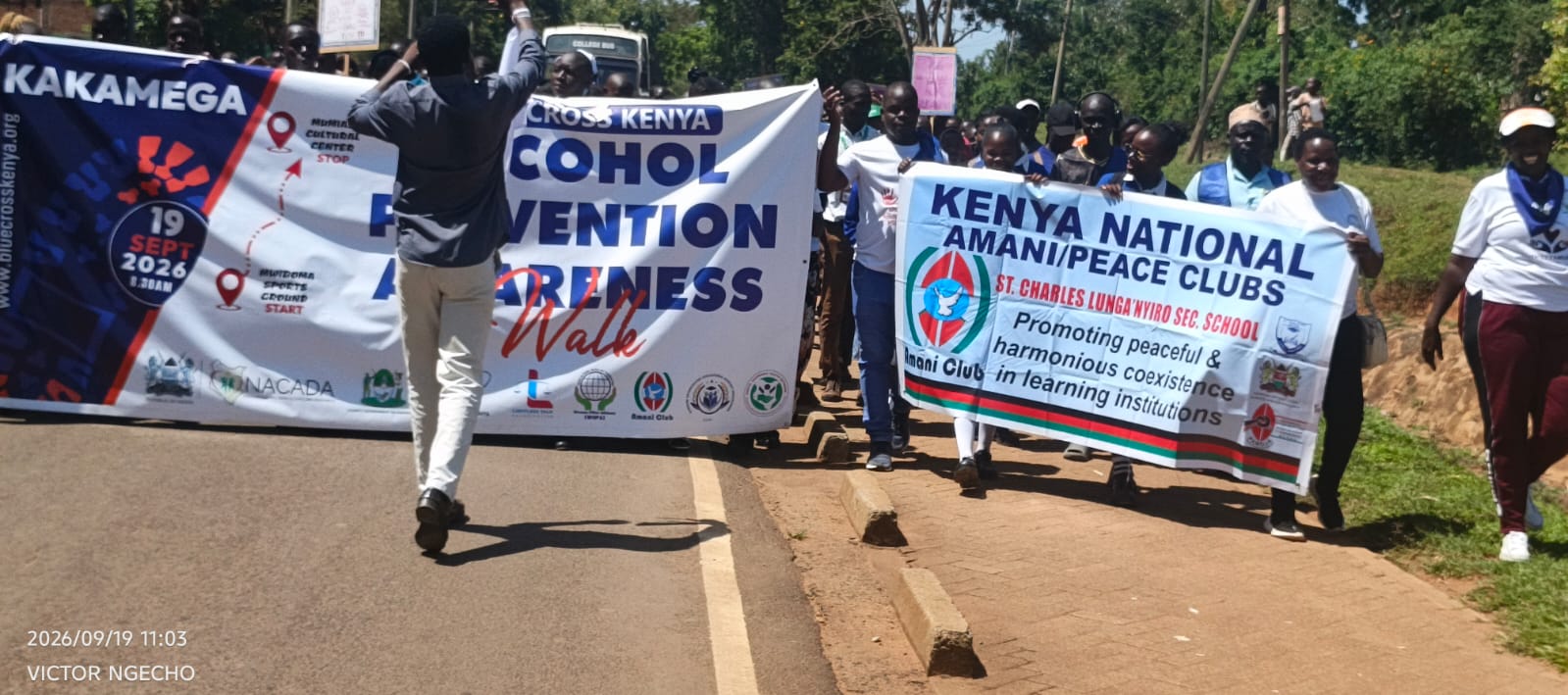
Mumias was one of the towns selected for the awareness walks, alongside Kisumu, Homa Bay and Kiambu.
Shem said the message was simple: people struggling with addiction should not give up because help is available.
“We want the community to know that there is hope for those struggling with alcohol and substance abuse,” he said.
He urged people affected by addiction and their families to seek assistance early, while challenging county governments to establish affordable rehabilitation centres.
Shem noted that many private rehabilitation facilities remain too expensive for ordinary families, leaving some people battling addiction without the help they desperately need.
Mumias facility could offer new hope
NACADA Western Region Coordinator for Kakamega and Vihiga Eunice Anubia said the fight must move beyond awareness campaigns to practical support for those already affected.
She said Western Kenya continues to face significant challenges related to alcohol and substance abuse and that prevention efforts must be accompanied by accessible treatment and rehabilitation services.
Anubia revealed that NACADA had procured equipment and that a room had already been set aside at Mumias Level 4 Hospital, with hopes that it would be used to support rehabilitation services.
She said the facility could provide a much-needed lifeline to families struggling to help their loved ones overcome addiction.
“Mumias is strategic to us, and it is our hope that we will manage this menace,” she said.
Anubia also linked a number of health problems affecting communities to lifestyle choices, arguing that stronger preventive measures could help reduce the burden on health facilities.
‘Don’t allow youth to become goons’
The campaign also carried a strong message for young people.
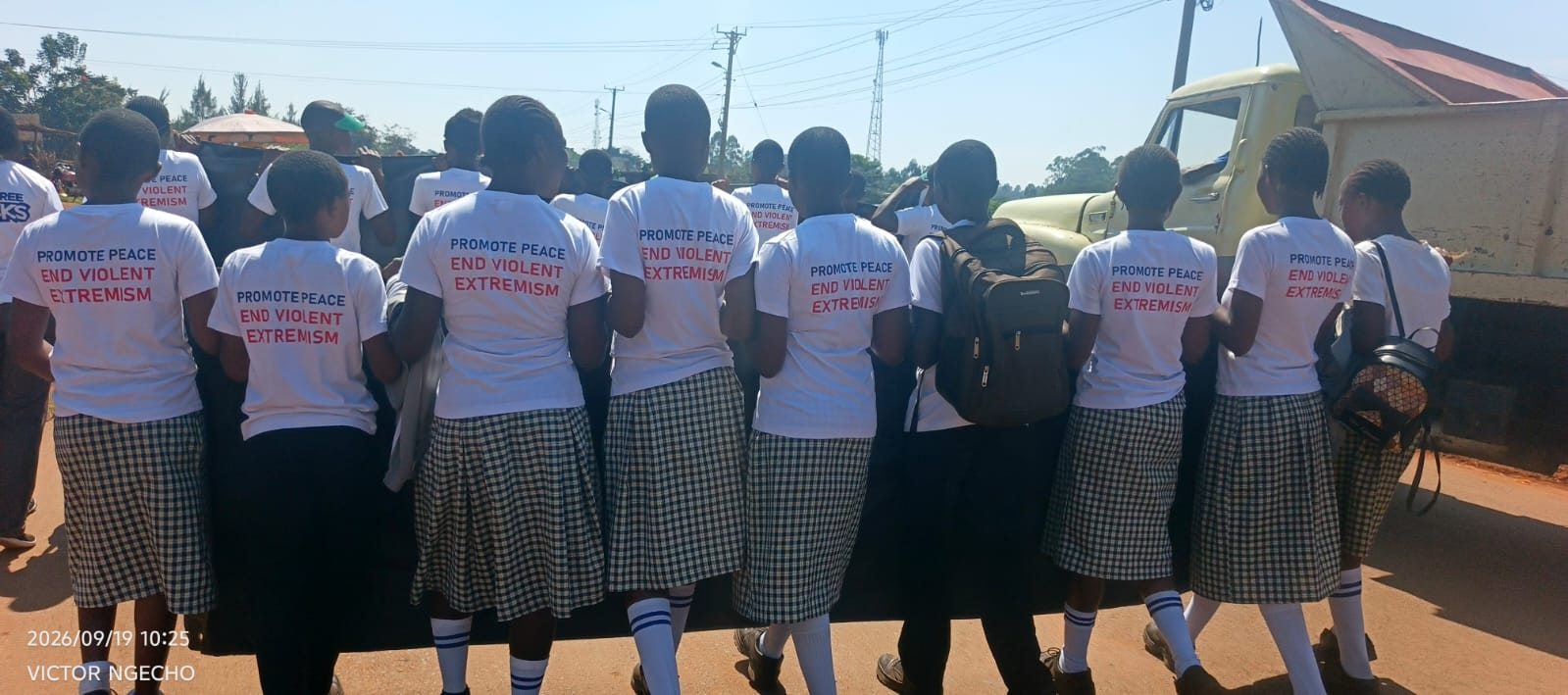
Amani Clubs Kenya National Chairman Kennedy Kunani said alcohol and drug abuse threaten not only the health of young people but also peace in schools and communities.
Amani Clubs were established to promote peaceful coexistence in schools, and Kunani said drug abuse was undermining that mission.
He used the occasion to caution young people against being manipulated into violence, particularly during politically charged moments.
“We are asking our youth not to allow themselves to be used as goons. We are fighting alcohol and drug abuse because they can destroy young lives and also threaten peace in our communities,” he said.
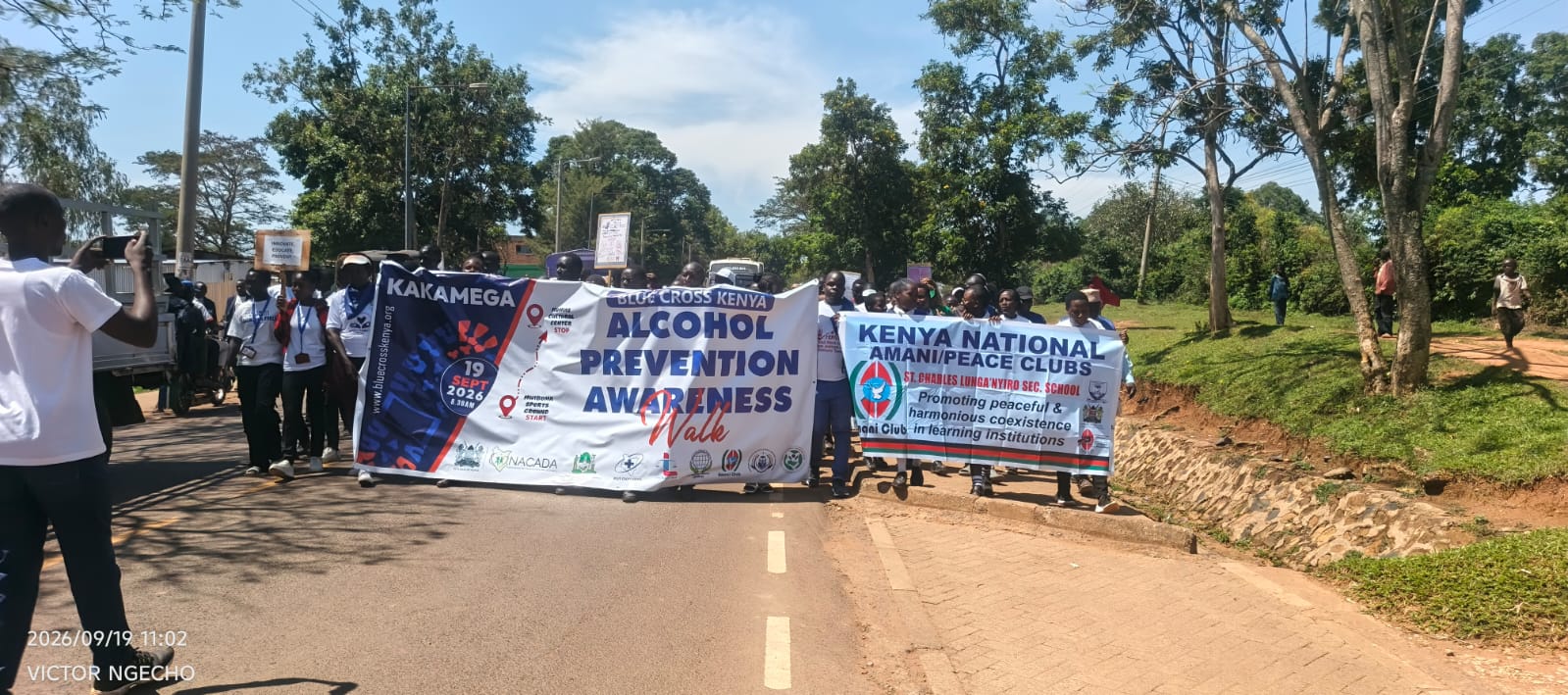
The walk attracted students from St Mary’s, St Peters Boys, Mwitoti Secondary, Lunganyiro Secondary, Namulungu Secondary and other schools.
For the organisers, the message from Mumias was clear: the fight against alcohol and substance abuse cannot be left to government agencies alone. Families, schools, churches, community leaders, young people and civil society must all play their part.
And as the last participants left the streets of Mumias, the hope was that the message would travel much further than the footsteps of those who took part in the walk.