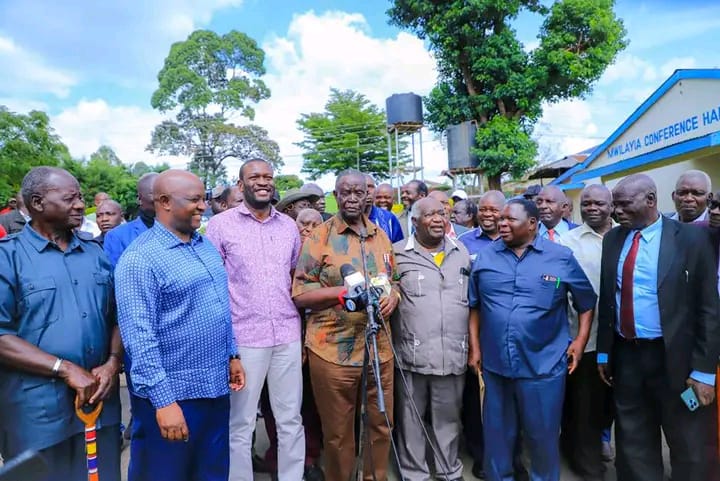
The Western Elders Forum, a body that brings together councils of elders from all 38 constituencies across the counties of Kakamega, Vihiga, Busia, Bungoma and Trans Nzoia, has resolved to take a leading role in steering the region’s industries and development agenda.
Meeting in Kakamega under the leadership of Hon. Patrick Wangamati, the elders expressed frustration at the political class, accusing elected leaders of neglecting the community’s interests and failing to champion development initiatives.
According to the forum, this neglect has left the Western region lagging in industrial growth and economic progress.
A Region in Decline
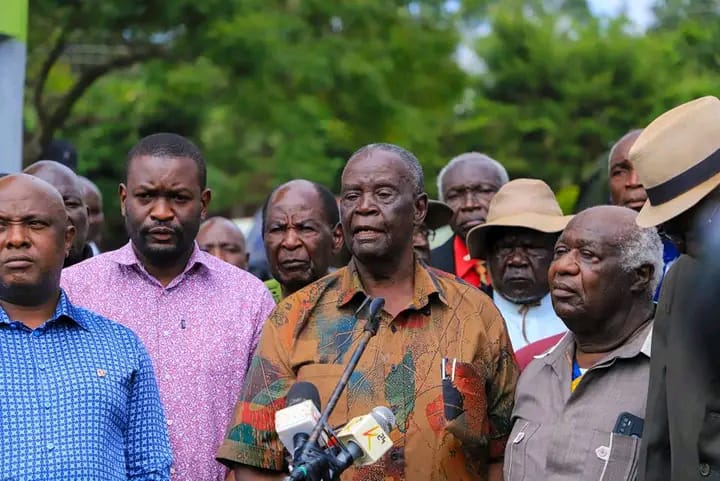
The elders painted a grim picture of the state of industries in Western Kenya. Once-thriving enterprises such as Webuye Pan Paper have collapsed, leaving the town stagnant and devoid of meaningful economic activity. Nzoia Sugar Company has recently been sold, while Mumias Sugar Company continues to struggle for survival.
In Ikolomani, residents have not only lost livelihoods but also lives, with land acquisition processes shrouded in secrecy and no clear formula shared with the community.
“We cannot allow things to continue as they are,” the elders declared, emphasising that the region faces a myriad of challenges that demand urgent intervention.
Politicians Under Fire
The forum criticised politicians for failing to provide progress reports or tangible solutions to the region’s economic woes. “The people we entrusted with our future have done very little. That is why we have resolved to take charge,” the elders stated.
Veteran politician Dr Noah Makhalang’ang’a Wekesa told the press that the forum had summoned Nairobi Senator Hon. Edwin Sifuna and Vihiga Senator Hon. Godfrey Osotsi to brief them on developments within the Orange Democratic Movement (ODM) party.
ODM Politics and Regional Concerns
Dr Wekesa noted that nearly 75 per cent of Western Kenya’s electorate voted for ODM. Following the demise of H.E. Raila Odinga, internal divisions have emerged within the party, with factions aligning either in support of or against broad-based reforms. “We are glad that our two sons have given us satisfactory answers,” he said, referring to the senators’ explanations.
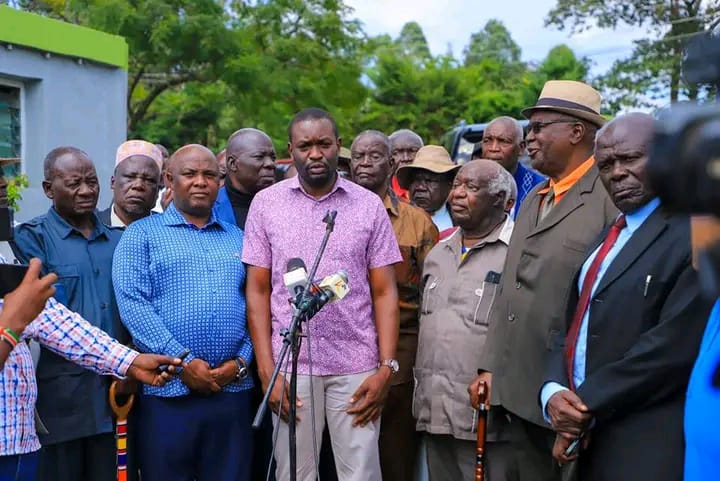
The elders stressed that their meeting was not about MPs, senators or governors, but rather about charting a new path for the region. “Our people in Ikolomani have lost lives, and no one is telling us what to do. When the economy of the region is crumbling, we expect our sons in authority to speak. Since they have not, we must rise to the occasion,” they resolved.
The Quest for Luhya Unity
The forum also revisited the long-standing issue of Luhya unity, describing it as elusive but essential for the region’s progress. They pledged to ensure that Western Kenya speaks with one voice.
Drawing comparisons with other communities such as the Somalis, Maasais and Kikuyus, the elders argued that traditional councils elsewhere wield significant influence, even determining who should vie for political positions. “We need to elevate the office of the elders to that level too,” they said.
A Structured Elders’ Movement
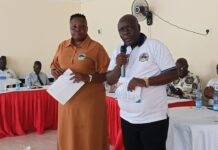
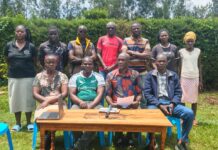
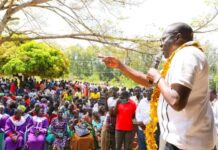
The Kakamega meeting brought together two elders from each constituency in Western Kenya, marking what participants described as a turning point in the region’s governance. “We are glad that we have taken shape,” one elder remarked, signalling the forum’s intention to institutionalise its role in decision-making.
Senators Respond
Senator Godfrey Osotsi acknowledged the elders’ authority, saying, “We were summoned so that they could understand what is happening in ODM. We honoured the invitation and shared with them the information they sought.”
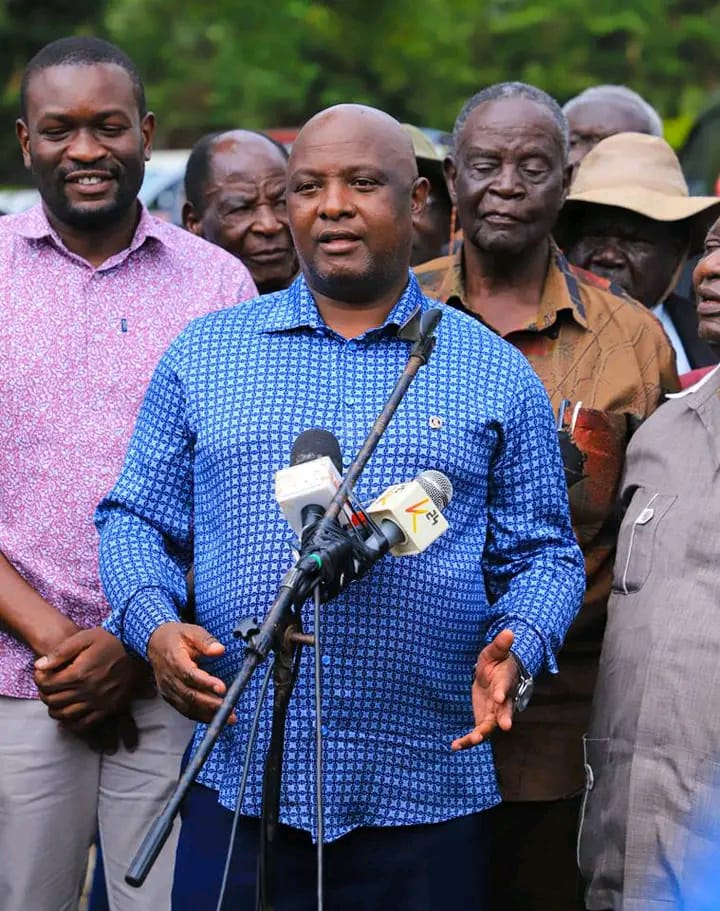
Senator Edwin Sifuna echoed the sentiment, praising the elders for their initiative. “I am personally humbled to have met our beloved elders. I am impressed with the discussions, which centred on the interests of the community and posterity,” he said.
Looking Ahead
The Western Elders Forum concluded with a rallying call for the Mulembe Nation to rise and reclaim its rightful place in Kenya’s socio-economic and political landscape. With industries collapsing, unity elusive, and politicians accused of neglect, the elders vowed to spearhead discussions and actions aimed at elevating the region’s status and safeguarding its future.