
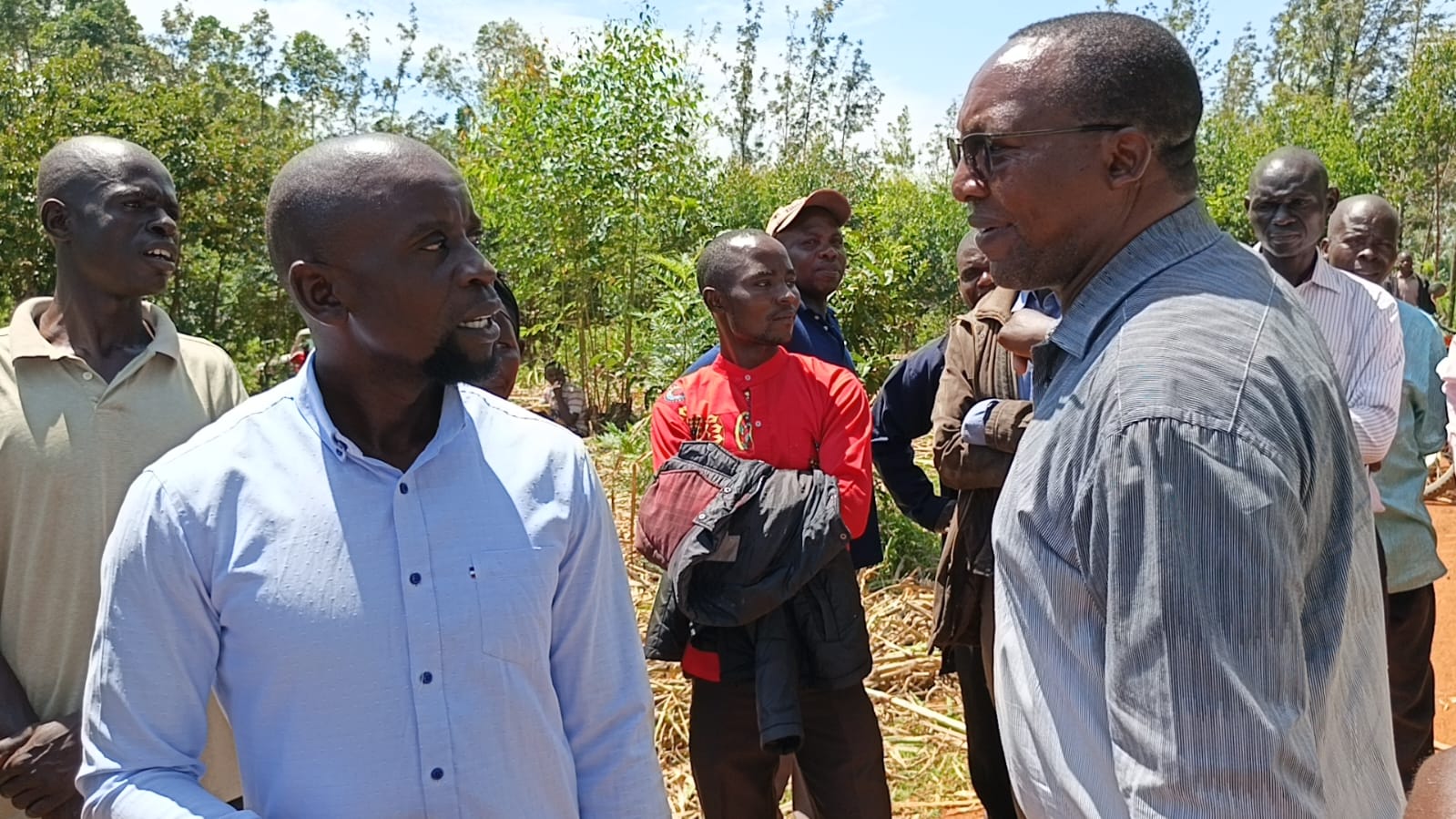
After two quiet months of inactivity, the familiar hum of machinery is once again rolling across the Mumias Sugar (2021) Limited factory. The company officially resumed operations this week following a scheduled break meant to allow sugarcane to mature and to carry out vital maintenance on its processing equipment.
The break followed a directive from the Kenya Sugar Board, the national regulator, which required all millers to suspend crushing temporarily to prevent overharvesting of immature cane. Many companies treated it as routine, but Mumias Sugar (2021) Limited embraced it as a strategic pause.
“We took the directive seriously because it aligned with our long-term plan to restore sustainable cane development,” said Mr Stephen Kihumba, the company’s Operations Manager. “The result is a stronger, more self-reliant factory ready for continuous production.”
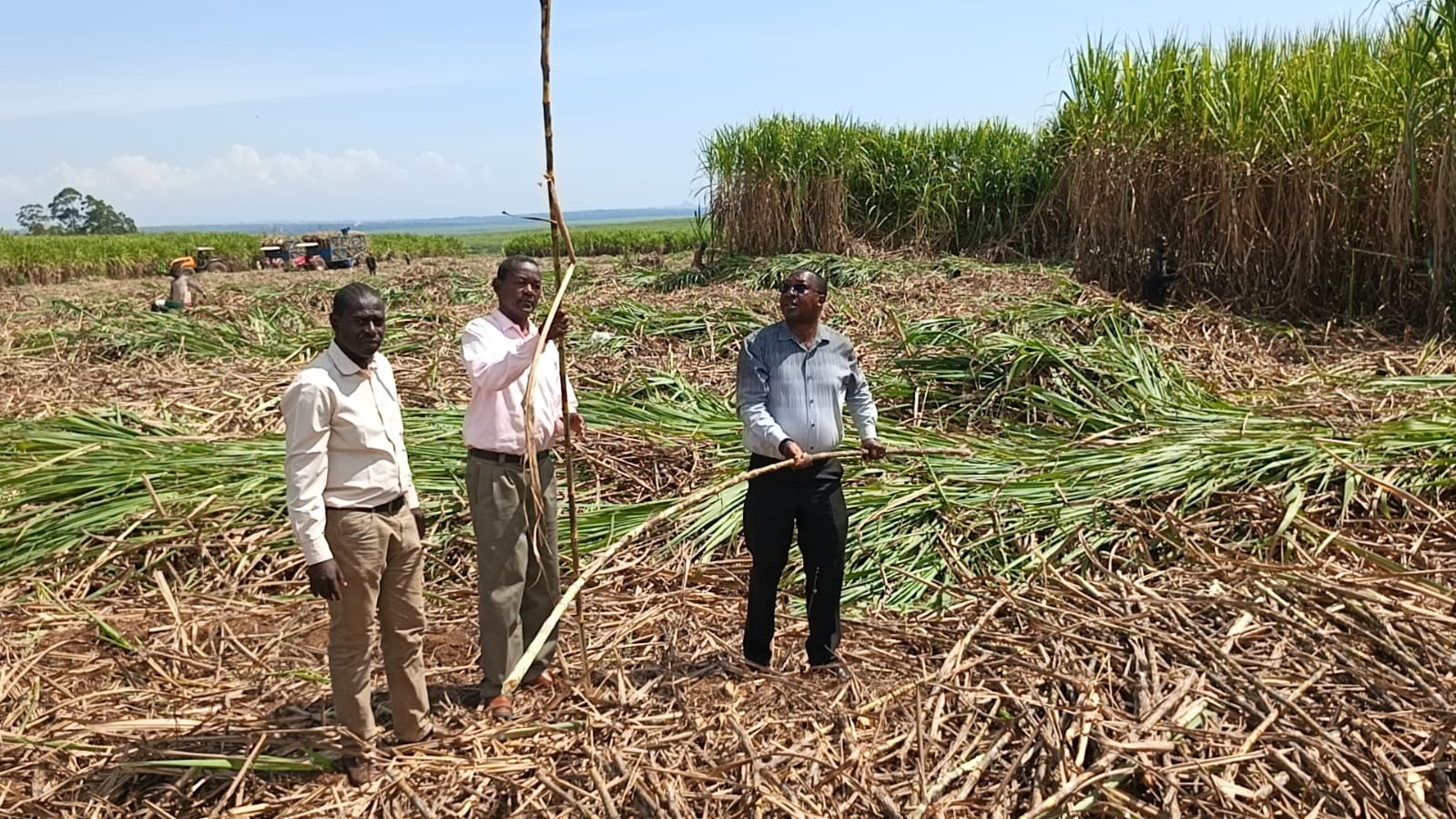
The company, revived in 2021 under new management, now boasts over 3,000 hectares of sugarcane on its own nucleus estate. According to Mr Kihumba, harvesting will be done in carefully planned phases to guarantee a steady flow of cane to the factory throughout the year.
“When we took over in 2021, we prioritised rebuilding our nucleus estate so that we could depend on our own cane supply rather than relying entirely on out-growers,” he explained. “We’ve organised our farms into clusters with varying maturity periods — 10, 13, 15, and 18 months — so that harvesting never stops.”
Standing beside rows of tall, rustling cane in one of the company’s farms, Mr Kihumba emphasised that the current harvest consists of fully mature cane. He dismissed speculation that Mumias Sugar (2021) Limited imports or repackages sugar.
“We have an 18-month-old cane ready for crushing,” he said. “We’ll be harvesting for several months. The talk that we import sugar is misleading and unfair to the effort our team and farmers have put in.”

The company’s restart has not been without controversy. Mr Kihumba accused West Kenya Sugar Company, the producer of Kabras Sugar, of encroaching on Mumias’ farms and harvesting cane from its fields.
“A tractor belonging to West Kenya was recently impounded in Emakokhwe while transporting cane cut from our farm,” he alleged. “That is not just unethical — it’s theft. West Kenya is playing dirty, and I’m urging the Kenya Sugar Board to step in and protect millers who are genuinely investing in cane development.”
He added that such interference undermines the progress the revived Mumias Sugar has made in rebuilding trust with local farmers.
Among the key challenges facing the sugar sector, he listed:
- Harvesting of immature cane by competing millers
- Millers are purchasing cane from middlemen instead of registered farmers
- Lack of formal supply agreements between farmers and factories
- Poor pricing and sabotage from rival companies
According to Mr Kihumba, Mumias Sugar (2021) Limited has made deliberate efforts to empower local farmers by providing seed cane, fertiliser, and ploughing services, helping them increase yields and improve cane quality. Yet some farmers, he noted, continue to shortchange the company by selling cane to other millers despite contractual agreements.
“We’ve invested heavily in supporting our farmers because we want them to prosper with us,” he said. “But we also need fair play and respect for boundaries. That’s why zoning must be reinforced.”

He called on the Kenya Sugar Board to reintroduce and enforce zoning regulations to curb the growing competition for cane that often leads to conflict.
“Zoning will protect millers from unfair poaching and ensure every company develops its own cane base,” he said. “Boundaries must be respected.”
To improve road safety and efficiency in cane transport, the company has rolled out a fleet of super trailers, replacing older, open tractors that often caused accidents and congestion on local roads.
“These modern trailers are safer, faster, and more reliable,” Mr Kihumba said. “We’ve already deployed 18 to our nucleus farms, and the rest will serve out-growers.”
Despite the challenges, optimism is high within the factory. The resumption marks another milestone in the slow but steady revival of Mumias Sugar, once the pride of Kenya’s sugar belt.
“We promised to bring this company back to life,” Mr Kihumba said with a smile. “And we have delivered.”