For years, some Muslim families in Mumias and its surrounding areas have had to live with unresolved disputes, with some matters lingering for years without a clear conclusion.
For others, issues that begin at home have eventually found their way to religious leaders, who often have limited powers to provide a lasting legal solution.
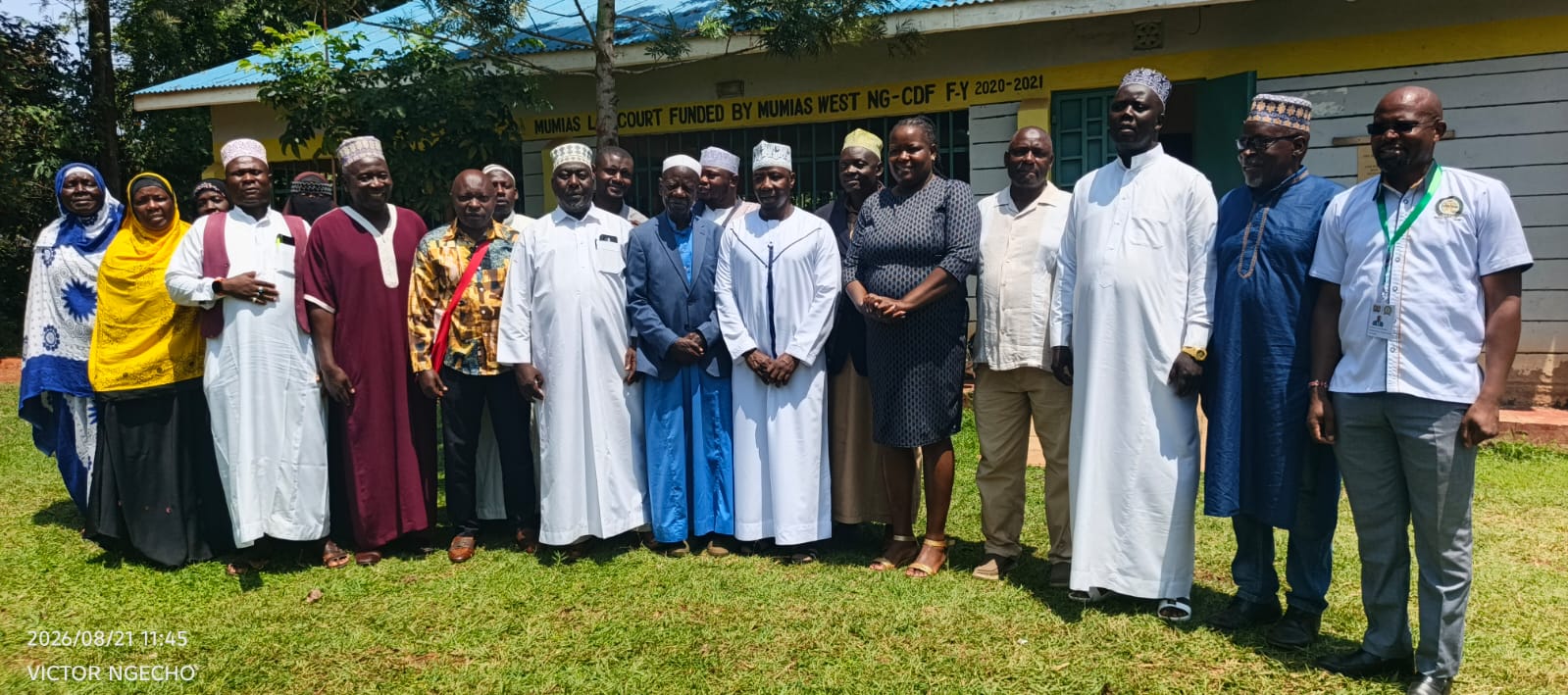
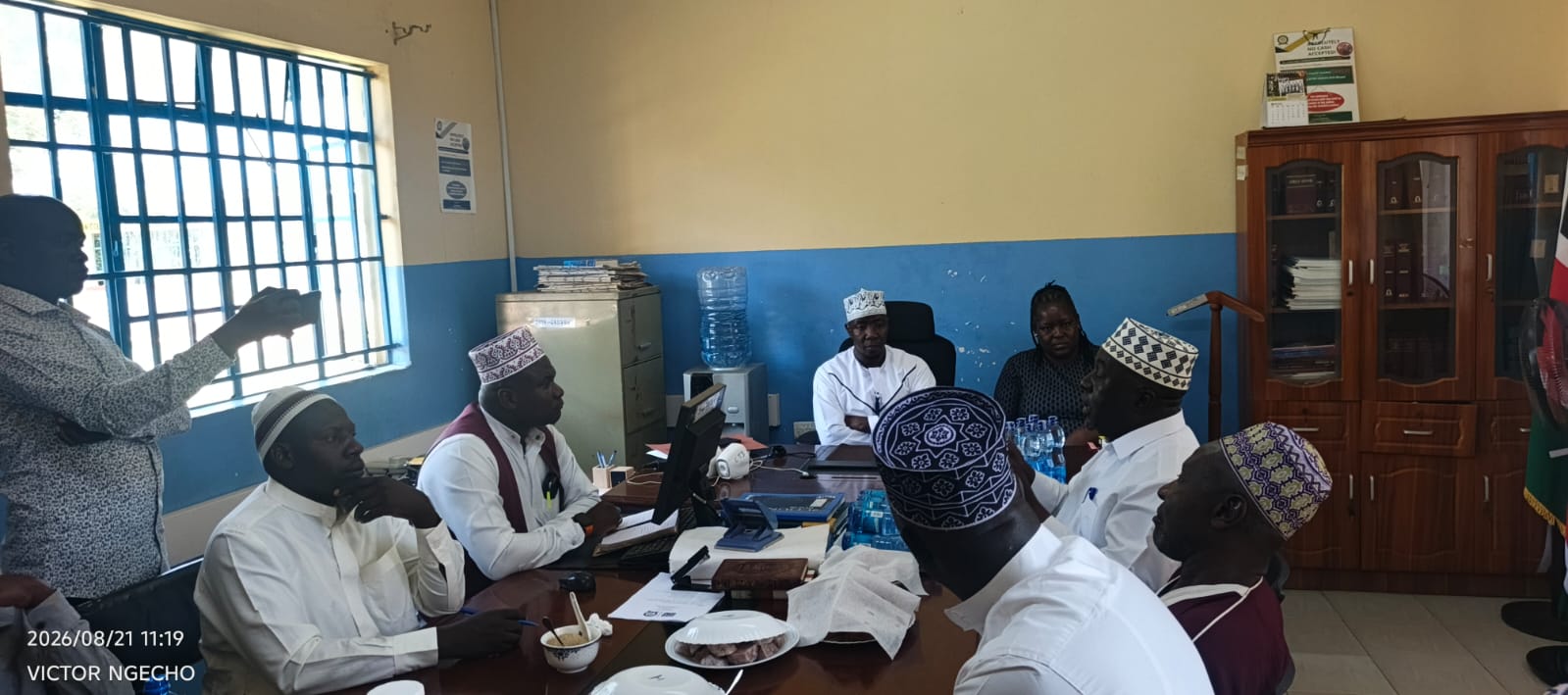
That reality is now expected to change following the launch of a Kadhi Court at Mumias Law Court, bringing specialised justice closer to the Muslim community.
The new court will be headed by Kadhi Ally Wayu Bakar, who previously served at Kakamega Law Court.
The launch has been welcomed by religious leaders and members of the Muslim community, who believe the court will provide an important avenue for resolving family and matrimonial disputes while also easing pressure on the local justice system.
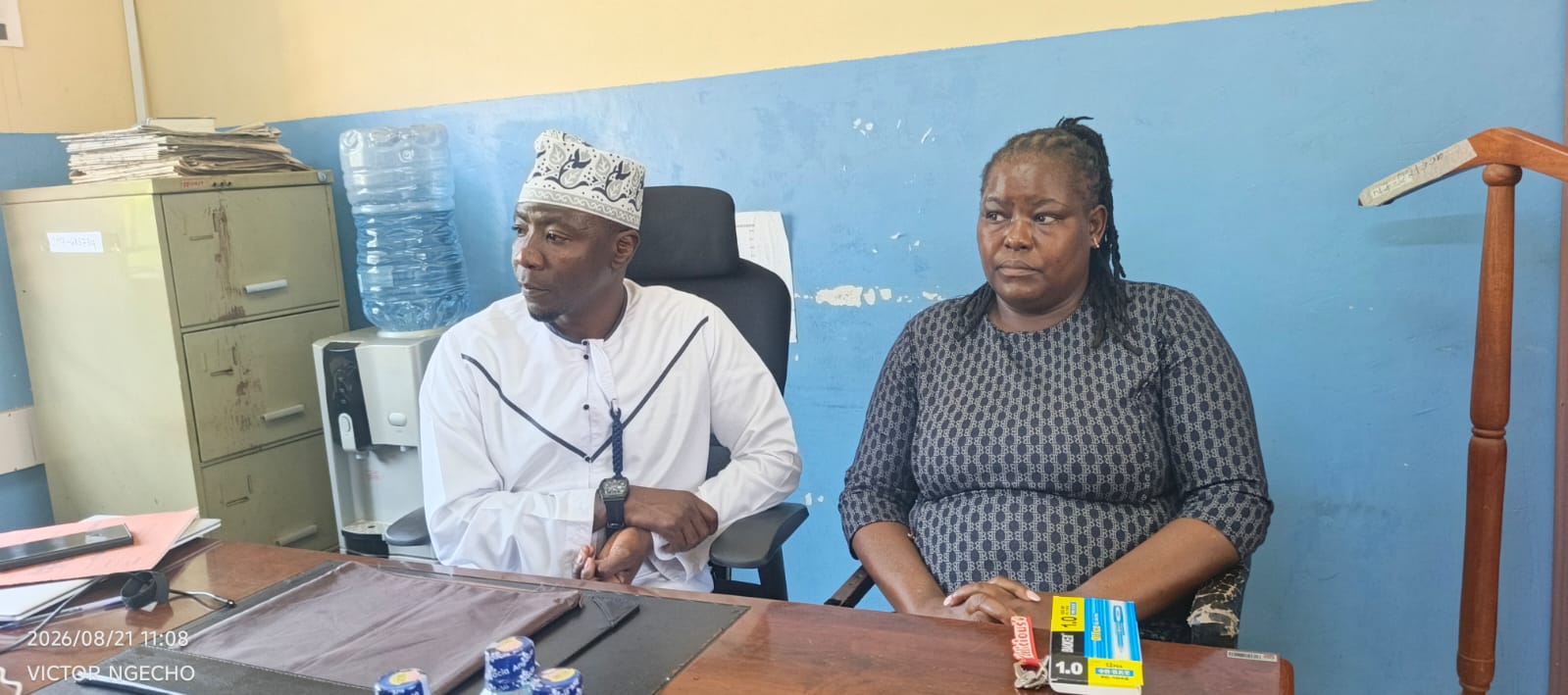
Speaking during the official launch, Mumias Law Court Head of Station Hon. Lester Simiyu thanked the Judicial Service Commission for establishing the court and warmly welcomed Kadhi Ally Wayu Bakar to Mumias.
Simiyu said the move could help address the growing backlog of cases at the station, some of which have remained unresolved for many years.
“Mumias town and its environs have a high presence of Muslim faithful, and the Kadhi Court will go a long way in helping reduce the backlog of cases at the station,” he said.
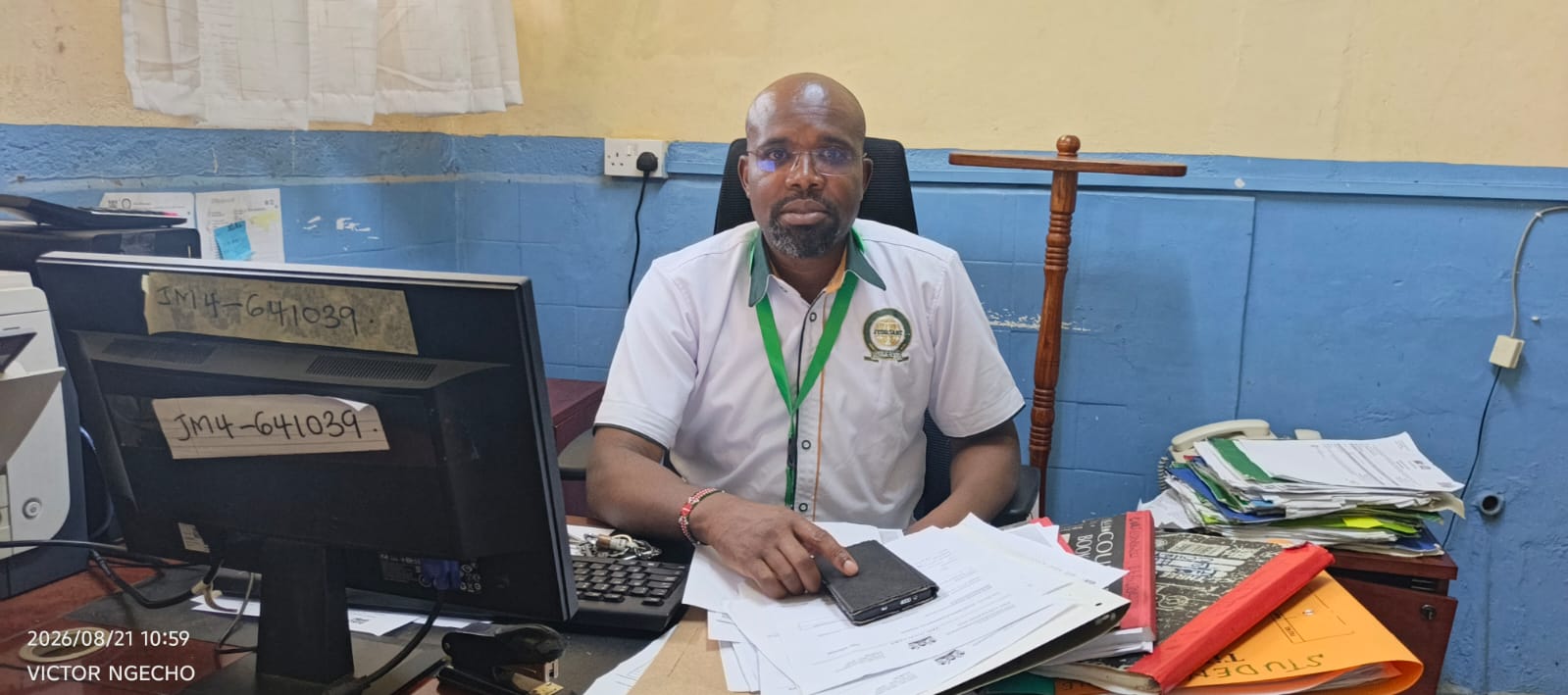
He revealed that some cases at the station had taken more than 15 years to conclude, leaving families waiting for justice for prolonged periods.
“We have cases that have taken very long periods to close, some up to 15 years and above. We believe that with the Kadhi Court, many cases will be handled and the backlog reduced,” Simiyu said.
He said several land-related matters had also remained unresolved for years, expressing hope that the presence of the Kadhi would help address disputes falling within the court’s mandate, particularly those touching on Muslim family and civil matters.
For Kadhi Ally Wayu Bakar, the new assignment is both a responsibility and an opportunity to serve the community.
He thanked Simiyu and the entire Mumias Law Court fraternity for the warm welcome and promised to serve residents diligently.
But he also had a message for the Muslim community: the court can only make a difference if people use it.
He urged Muslim faithful to spread the word about the new court and encouraged religious leaders to help sensitise the community.
“The court has been created to serve the people of Mumias and its environs, and it will only be viable if I get cases to handle,” he said.
At Jamia Mosque Mumias, Sheikh Abdalla Washiali said the arrival of the Kadhi Court was welcome news for religious leaders who have often found themselves handling disputes beyond their capacity.
“We are glad that the court is here with us. We have cases at our desk that we cannot handle at our level, especially marital cases,” Sheikh Washiali said.
He promised that religious leaders would work with the Kadhi to sensitise the Muslim community and ensure the court becomes effective.
For some women, the court has arrived at a particularly important time.
Mama Mariam, a Muslim faithful, spoke of women who have remained in marriages for decades while unresolved dowry issues continued to affect their families.
“Some of us have stayed in marriage for over 29 years without dowry payment, and this has really affected us. We hope the Kadhi Court will help us dearly, and we are ready to support it,” she said.
She said another common challenge involves families demanding payment of dowry before allowing their daughters to marry, creating tensions between families.
Such matters, she noted, are among the issues the community hopes the Kadhi Court will help resolve.
The establishment of the court is also being viewed as the result of years of lobbying by local religious leaders.
The County Chaplain said several letters had been written seeking the establishment of a Kadhi Court in Mumias and expressed relief that the long-awaited request had finally been granted.
He further pledged to engage Kakamega Governor Fernandes Barasa and rally support for the construction of a permanent courtroom facility.
Among those who attended the launch was County SUPKEM Chairperson Shaban Wafula, alongside religious leaders and other local leaders.
As the doors of the new court open, there is a sense of expectation among Mumias residents.
For families carrying disputes that have remained unresolved for years, the Kadhi Court is not simply another office at the Law Courts.
It is a place where they hope long-standing family disagreements can finally find a path towards justice, reconciliation and closure.